Claescaster

Tag: C. F. Martin & Co

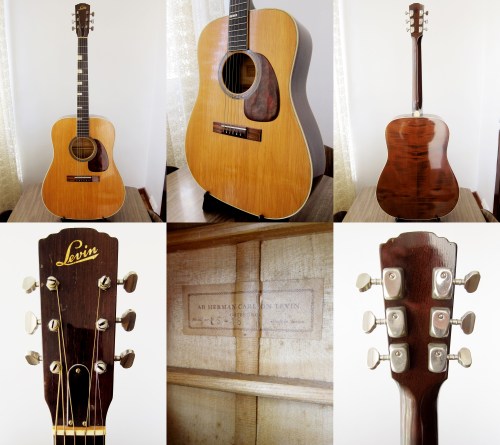
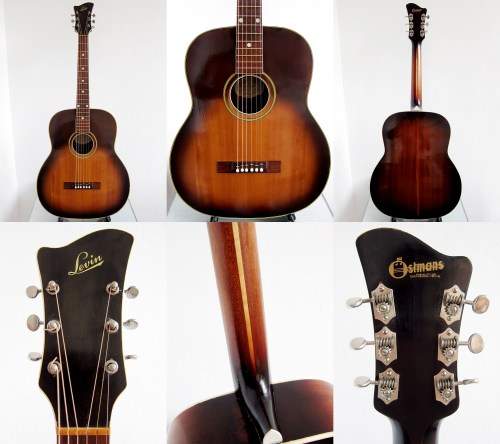
Levin LM-26

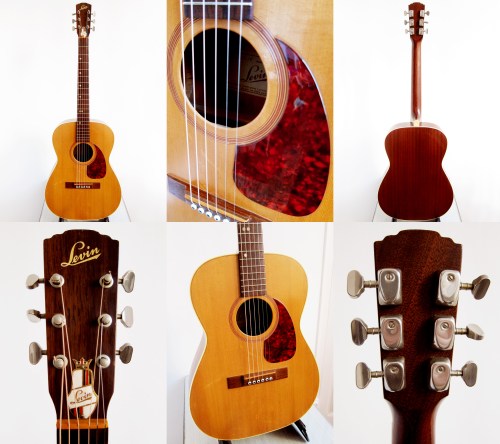
Levin LM-26 1959Levin LM-26 1959Update: January 26, 2014 My Levin LM-26 from 1959 is now finished

Levin Goliath ad 1962
Bell ad from 1962 for the wonderful extra large sized Levin Goliath Model 1795

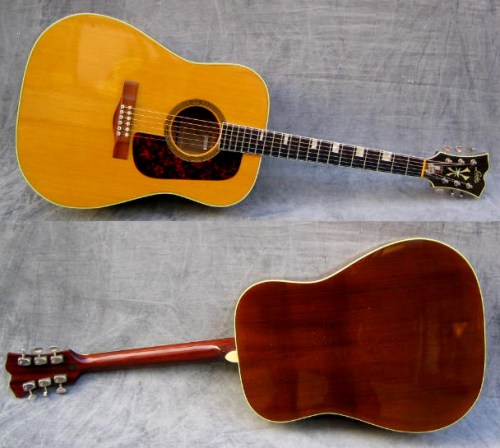
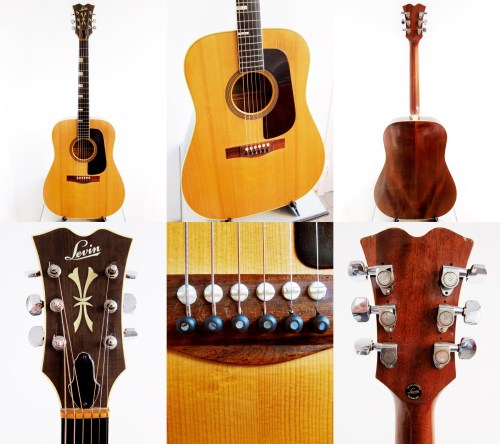
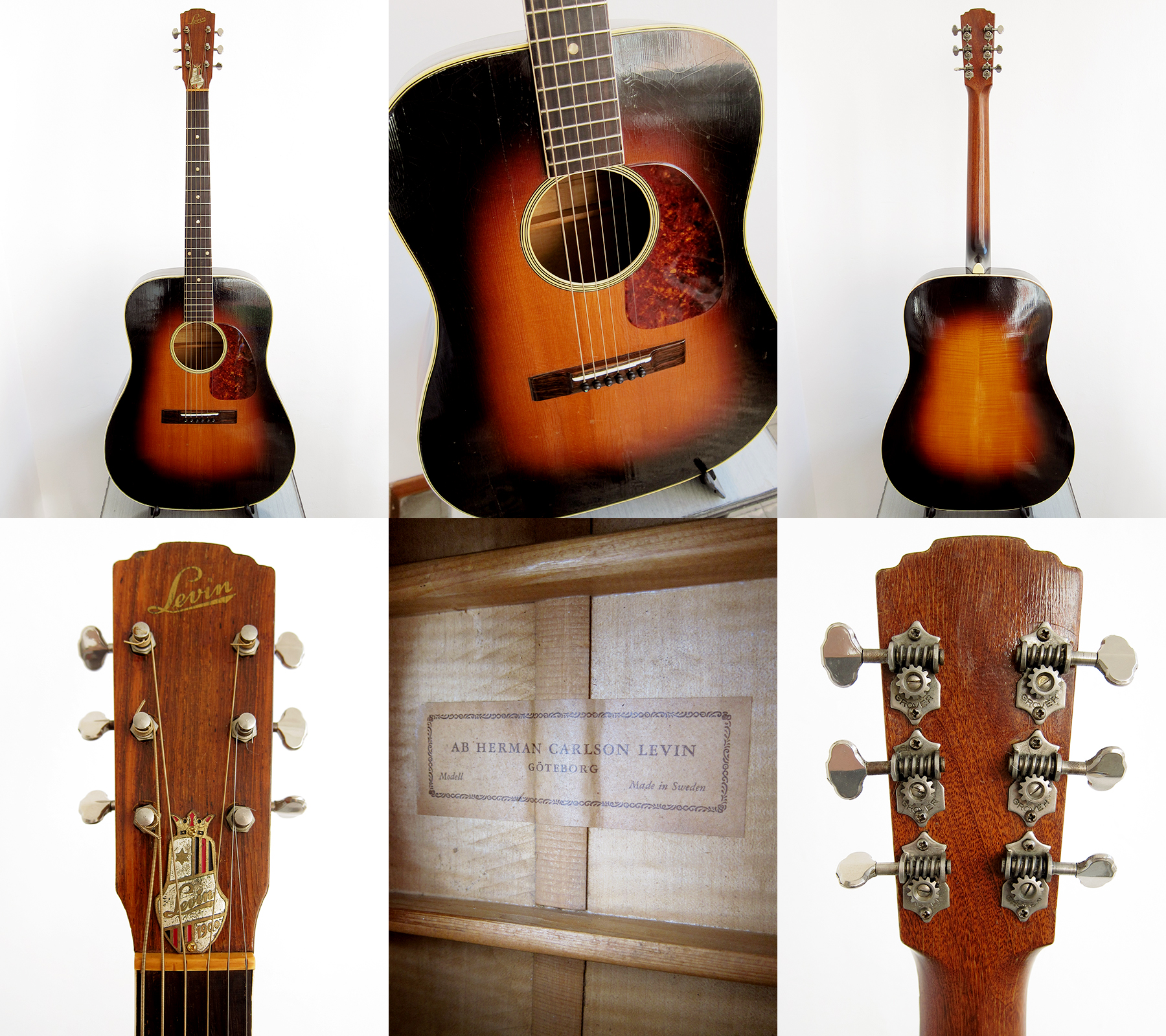
As I mentioned in my previous post about Levin I managed to win a Levin LM-26 on eBay back in December. It turned out to be in a worse state than I expected which I guess is both good and bad. Bad because it’s unplayable so I still don’t know how it sounds, good because I’m forced to learn a lot of new things, like how to remove the neck on an acoustic guitar. The Levin LM-26 was sold as The Levin Goliath Model 1795 in the UK and I think they sold pretty well, even Pete Townshend had one. They have spruce top with flame maple back and sides, all solid as always with Levin. If you want to know how old your Levin or Goya is then check Vintage Guitars Sweden. Levin serial numbers / Goya serial numbers

The Who in 1963 as the Detours, Pete Townshend playing a Levin Goliath LM-26
Pete Townshend is playing a Levin Goliath LM-26 in 1963 with Detours, later The Who

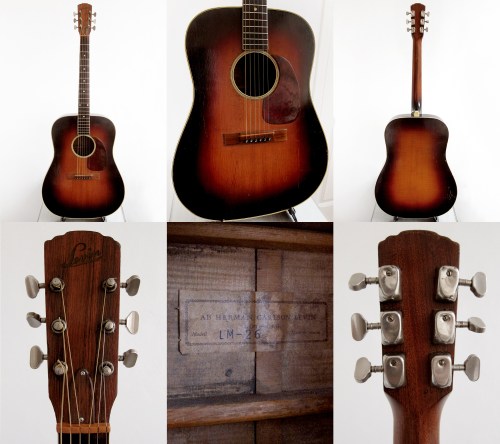
Levin LM-26 / Goya M-26
Goliath size: Body width: 400 mm, body length: 505 mm, body depth: 95/120 mm
Fingerboard width: 43 mm, scale length: 630 mm
Spruce top, flame maple back and sides, 4-ply bound top, single-bound back
Mahogany bolt-on neck with adjustable truss rod
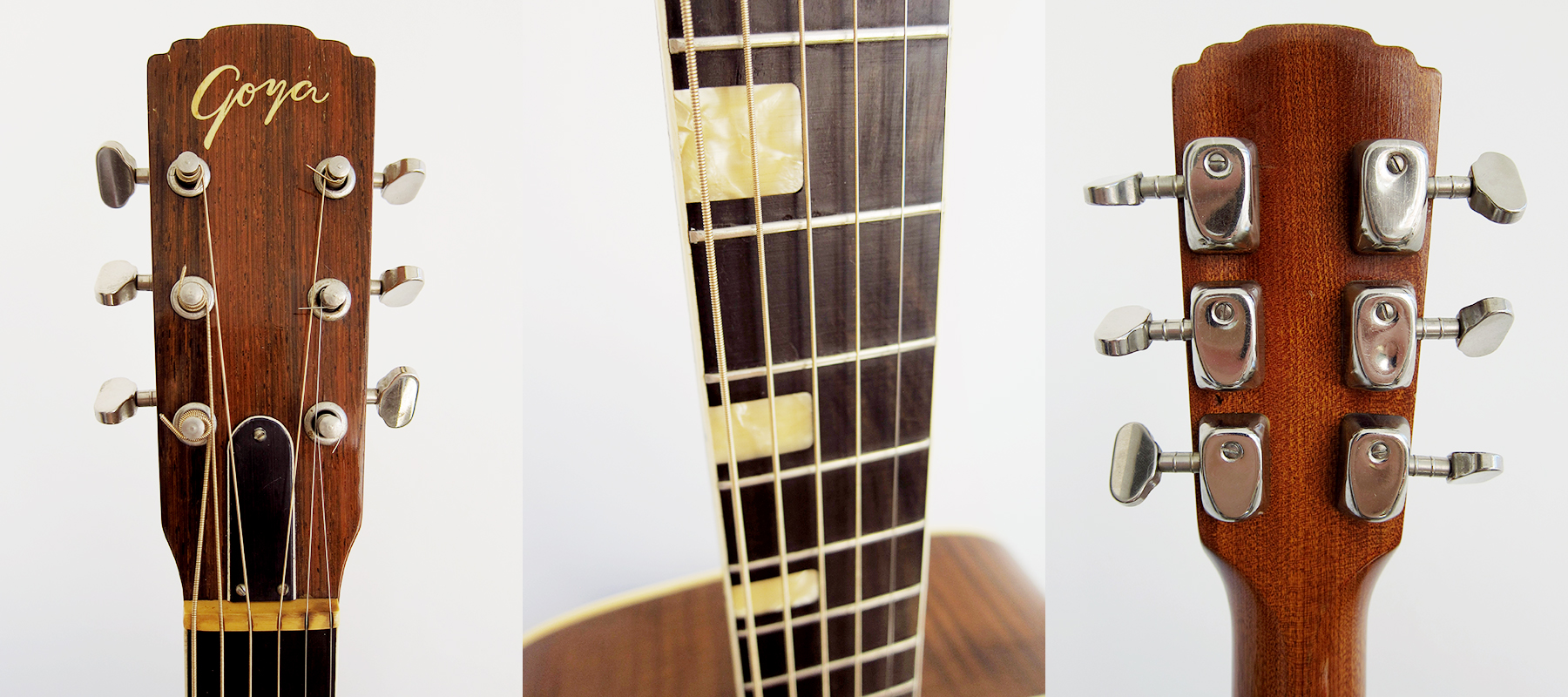
Metal truss rod cover with a star and “1900”, nickel plated tuners
Single-bound rosewood fingerboard with centered pearl dot inlay, rosewood bridge
Sunburst finish and ten year warranty

Marketed by U.K. distributors as Goliath Model 1795.
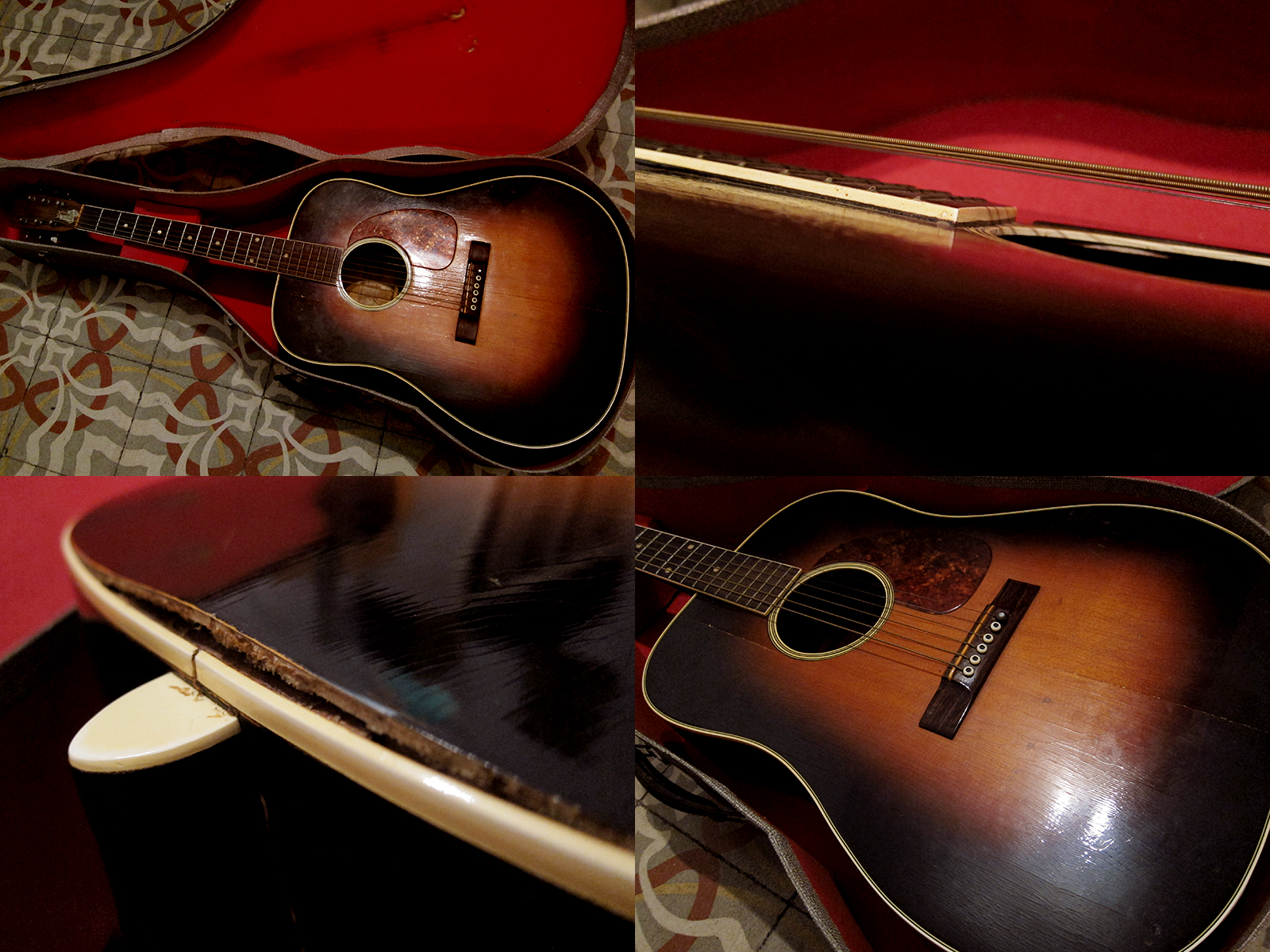
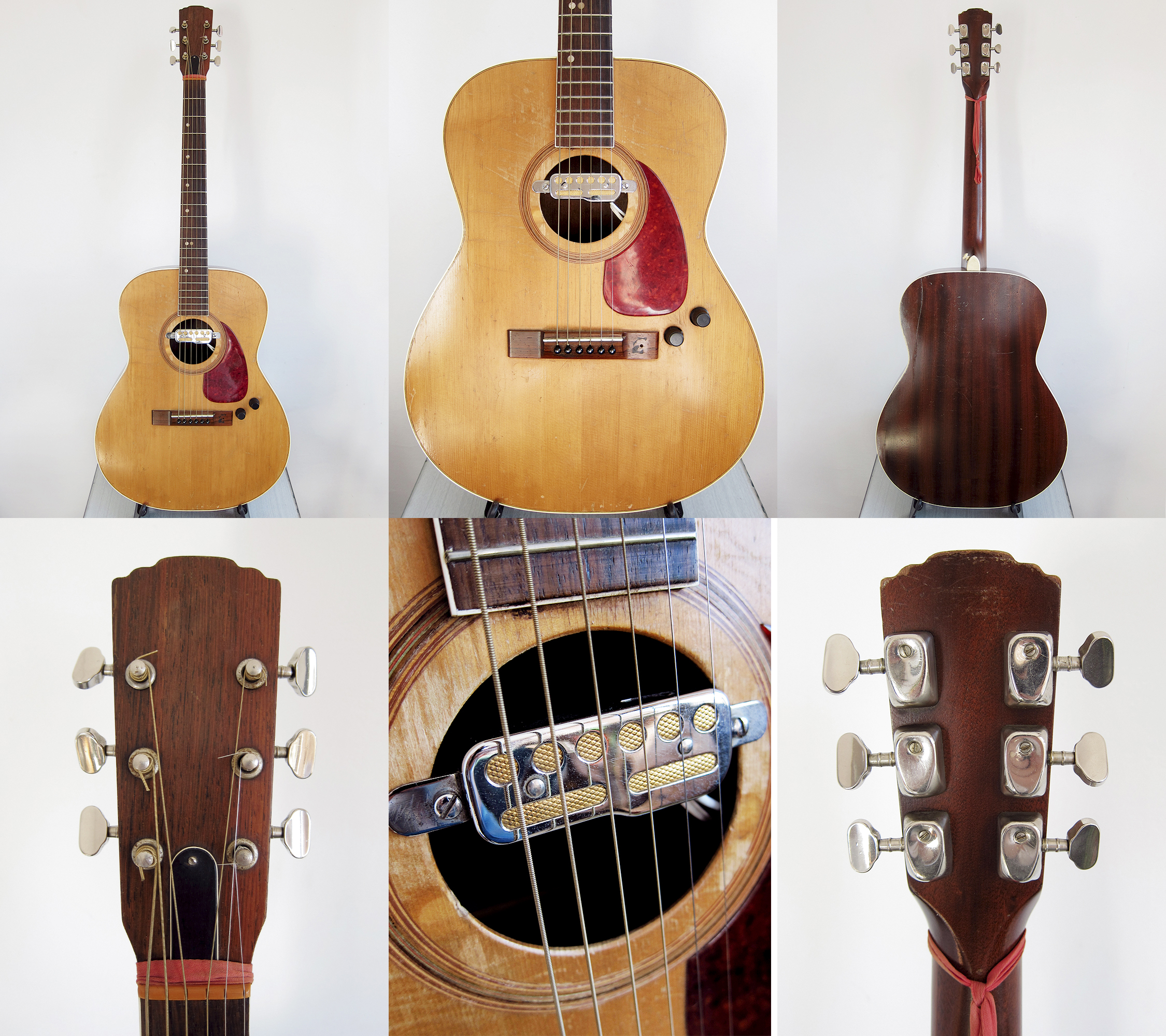
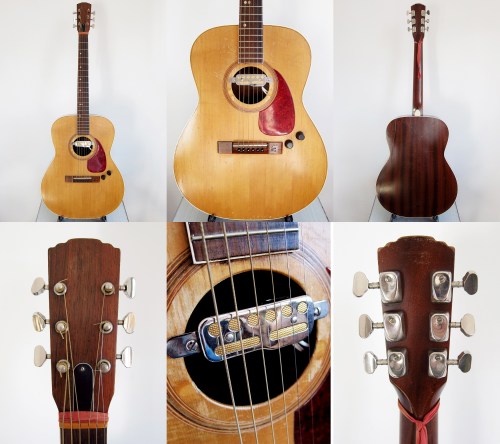
Levin LM-26 1959Levin LM-26 from 1959, well the body is actually stamped with a number from 1958, the year this model was introduced. I’m not sure if they used an old body when they put they guitar together at the Levin factory in Gothenburg in 1959 or if someone changed the neck when the guitar came to the UK. The previous owner for the past 51 years, Roger, bought the guitar second hand in 1963 for £40 from Bill Greenhalgh Ltd, 125-127 Fore Street in Exeter. Roger changed the original machine heads to Grovers in 1965, it’s otherwise all original. The action was so high that I could almost fit my hand under the strings so I had to remove the neck and reset it. There are a few things that needs to be glued as well, the back is lose and there are 2-3 cracks in the top.
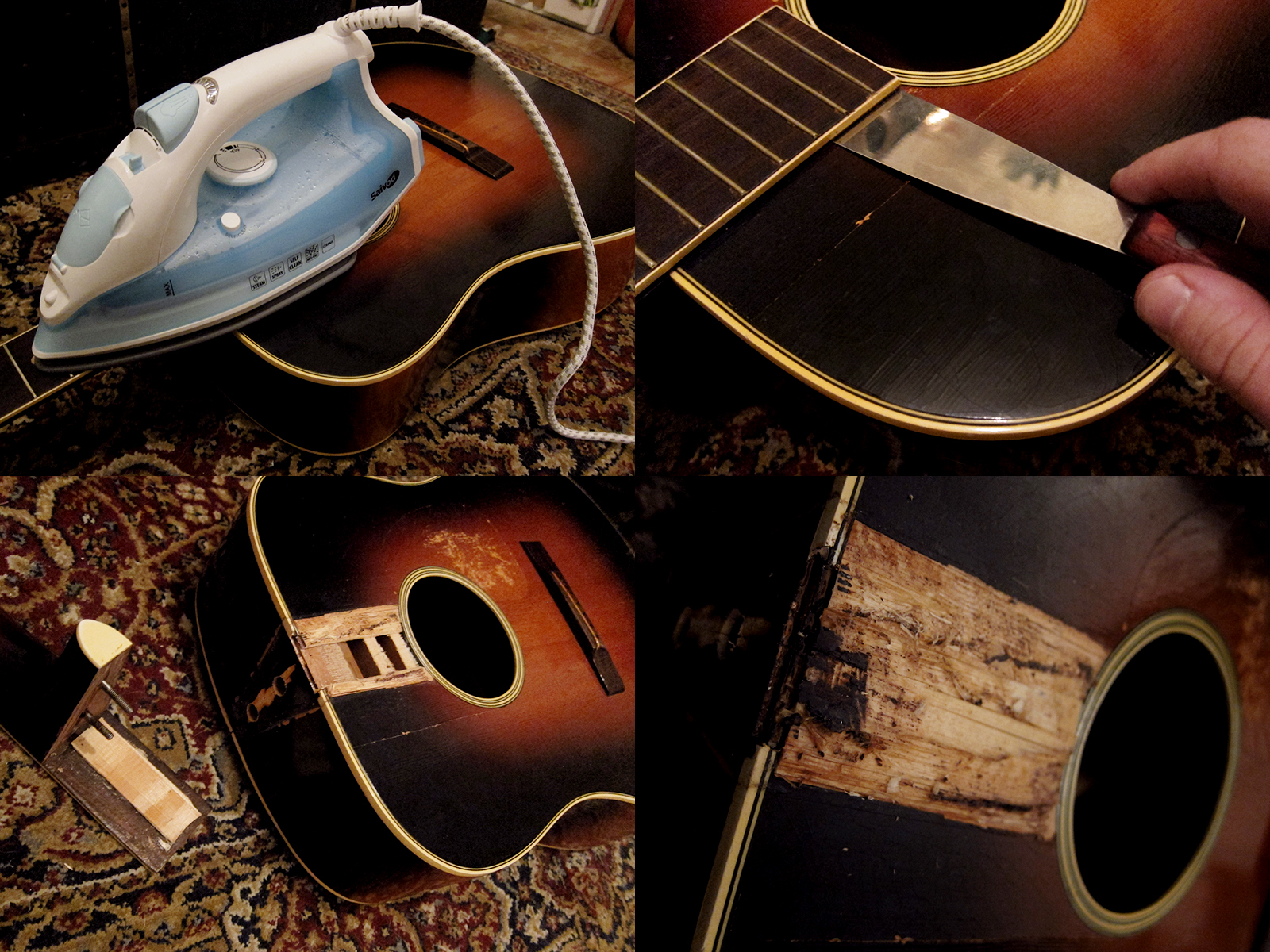
Levin LM-26 1959I have never removed a neck before so I was pretty nervous about this part. It’s supposed to be one of the trickier things to sort on an acoustic guitar but luckily this neck was fixed with the Levin bolt-on neck system which made it a lot easier. I removed the two bolts inside and the heel came lose straight away, now I only had to loosen the fretboard overhang. I removed the pickguard with a razor blade, cutting under the edge, just to make sure I wouldn’t melt or damage it while removing the neck. Then I used a normal clothes iron to heat up the fretboard, I don’t have any fancy pants Stew Mac tools or special gadgets. I heated up the fretboard for 1-2 min and felt with my hand every 30 sec to make sure it didn’t get too hot, I thought if I could still touch it maybe I wouldn’t burn or damage the lacquer on the top. It took ages to get it off, I think I probably spent 1-2 hours per night for 3 nights in a row on this. The glue loosened more and more and in the end I could get a flat screwdriver in and bend it loose. Unfortunately a chunk of spruce decided to stick to the neck instead of the body but to be honest I expected worse damage than that on my first attempt to remove a neck. I used my clothes steamer and steamed the spruce loose from the mahogany neck, it peeled right off, and just glued it back in the neck pocket again.
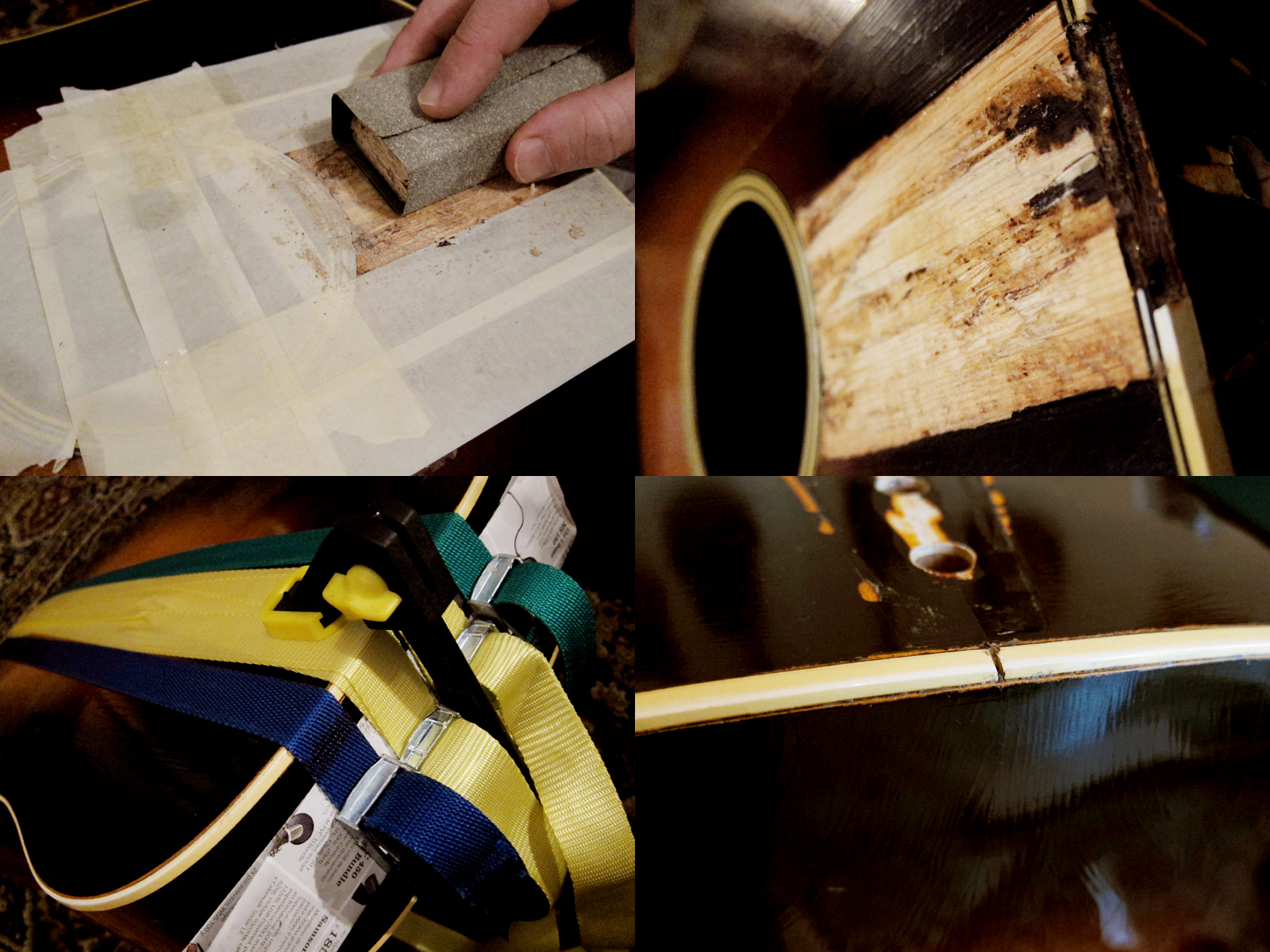
Levin LM-26 1959
I masked off the top and sanded the pocket even so now the neck will fit fine once I’m ready to put it back on. I had to get the gap on the back closed. I’m not a master gluer and since you pretty much just get one shot, or rather it’s really annoying to remove and re-glue things if they aren’t perfect, I was a bit concerned about this too. I used plenty of fish glue and then 4 strong straps that could not only press in the back but also press down the the sides to close the gap as much as possible. I’m pretty pleased with the result, the gap is gone and it seems pretty solid.
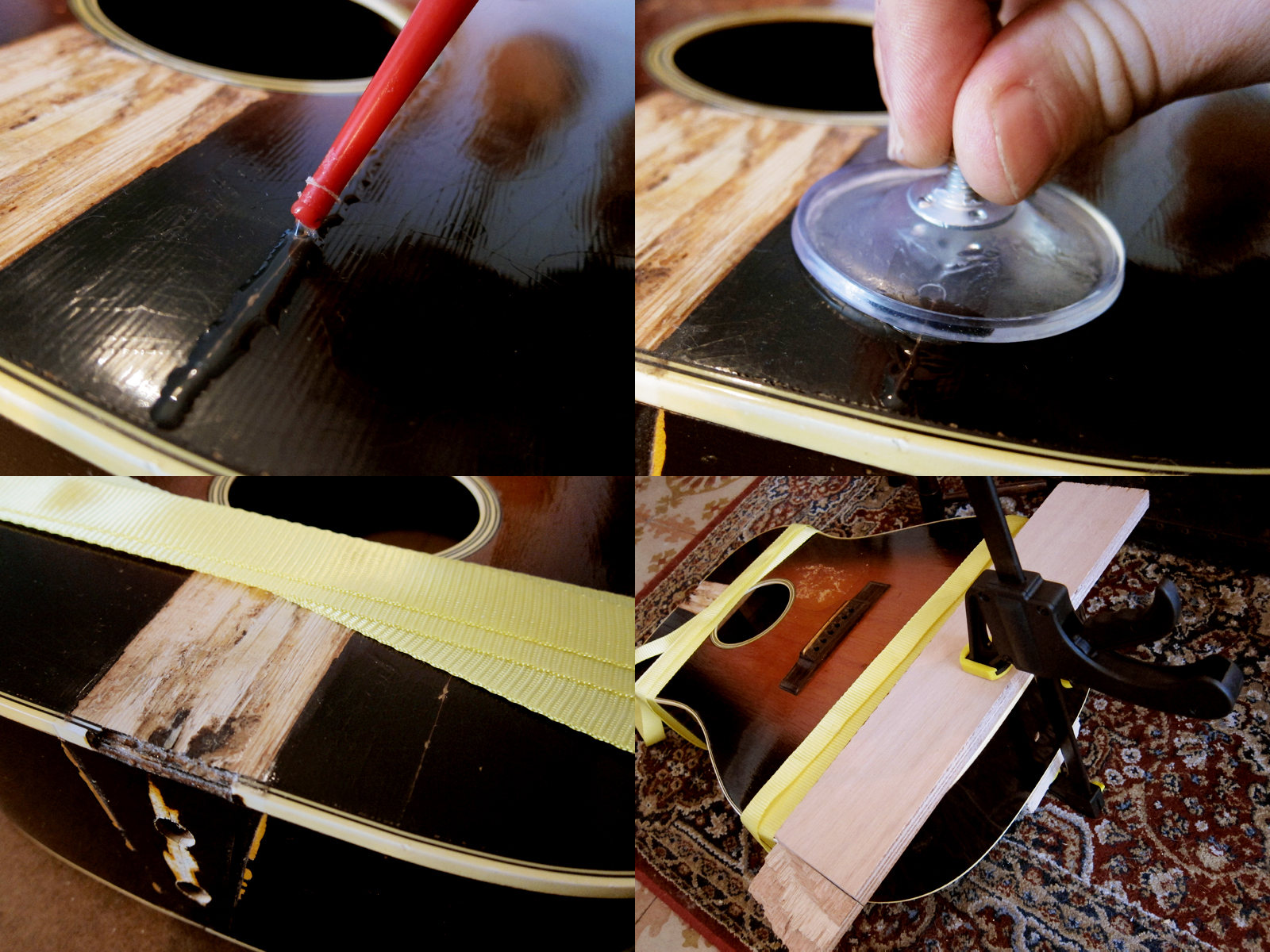
Levin LM-26 1959Next thing was to try to close the cracks on the top. One was all the way through and two was smaller hairline cracks. I filled everything with fish glue and used a suction cup to try to push in the glue in the cracks, I saw this on Youtube and it made sense to me so I tried it. Then I just strapped everything up and put a piece of wood the keep the main crack flat while it dries.
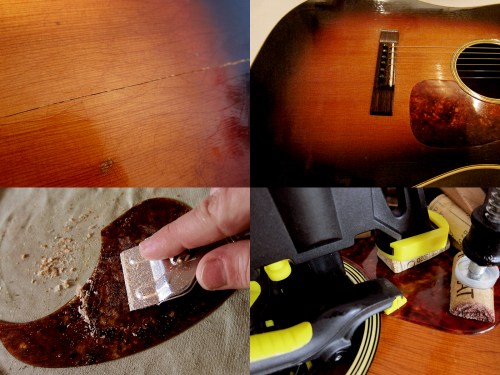
Levin LM-26 1959Once I had glued the cracks in the top, the first image shows before I started, I painted and lacquered the crack. I used normal matt black acrylic paint for the dark parts and just darkened the rest with furniture oil before I applied the nitrocellulose lacquer. Once the lacquer was dry I sanded the surface smooth with 400, 800, 1500, 2000 and 2500 grit. It worked really well, it’s actually hard to even see the big crack that went all the way from the edge to the bridge. I removed the old glue from the pickguard and then glued it back again. 
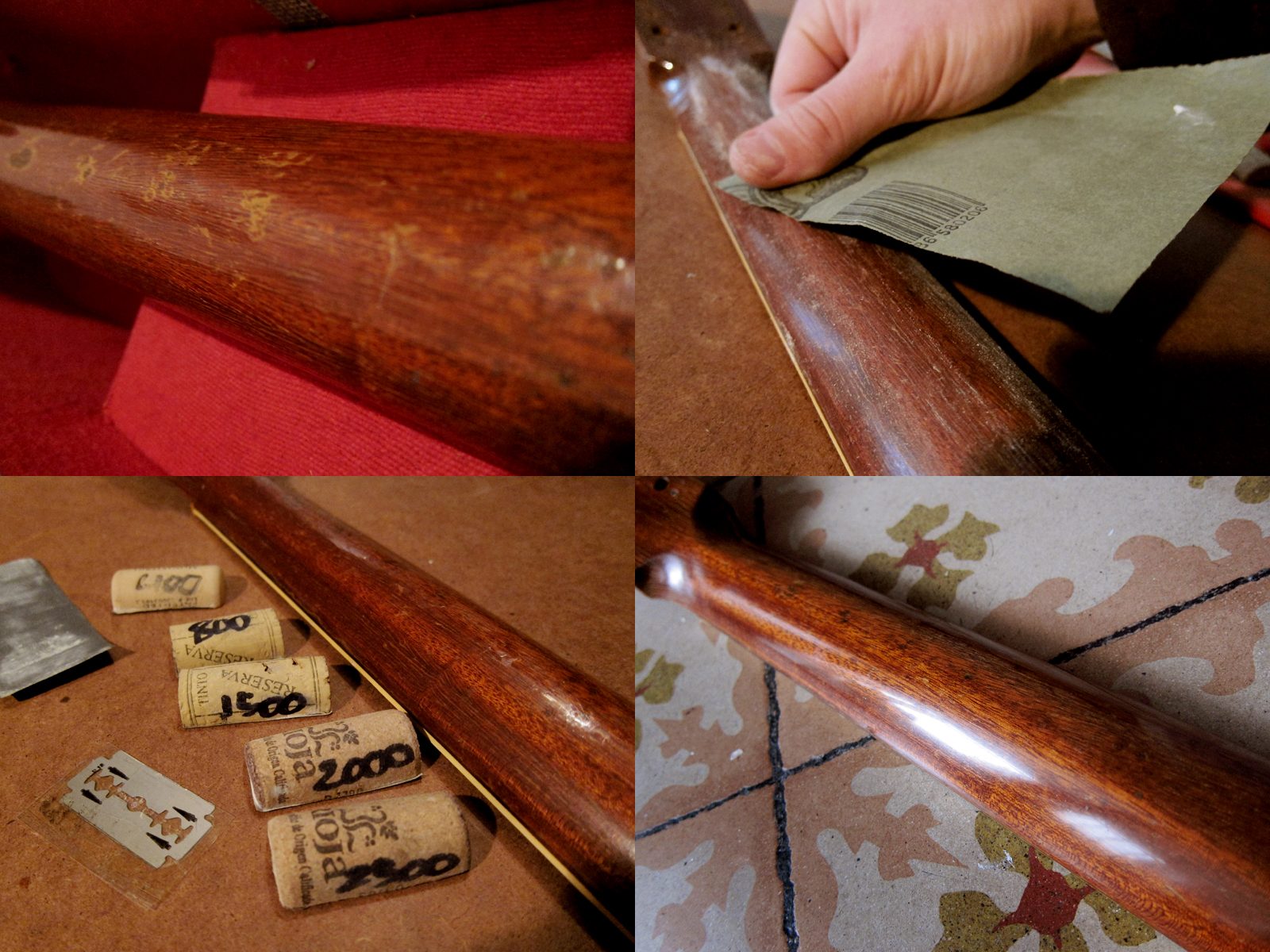
Levin LM-26 1959The neck was in really poor state, deep groves and marks all over it. I filled it with nitrocellulose lacquer, as mentioned in my previous post about how to repair lacquer damage. I had to take out the heavy artillery in order to get the neck smooth and used 180 grit. Then it was just a matter of sanding it back to it’s former shine using 400, 800, 1500, 2000 and 2500 grit. You can still see the marks but the neck is perfectly smooth and shiny again.
Levin LM-26 1959
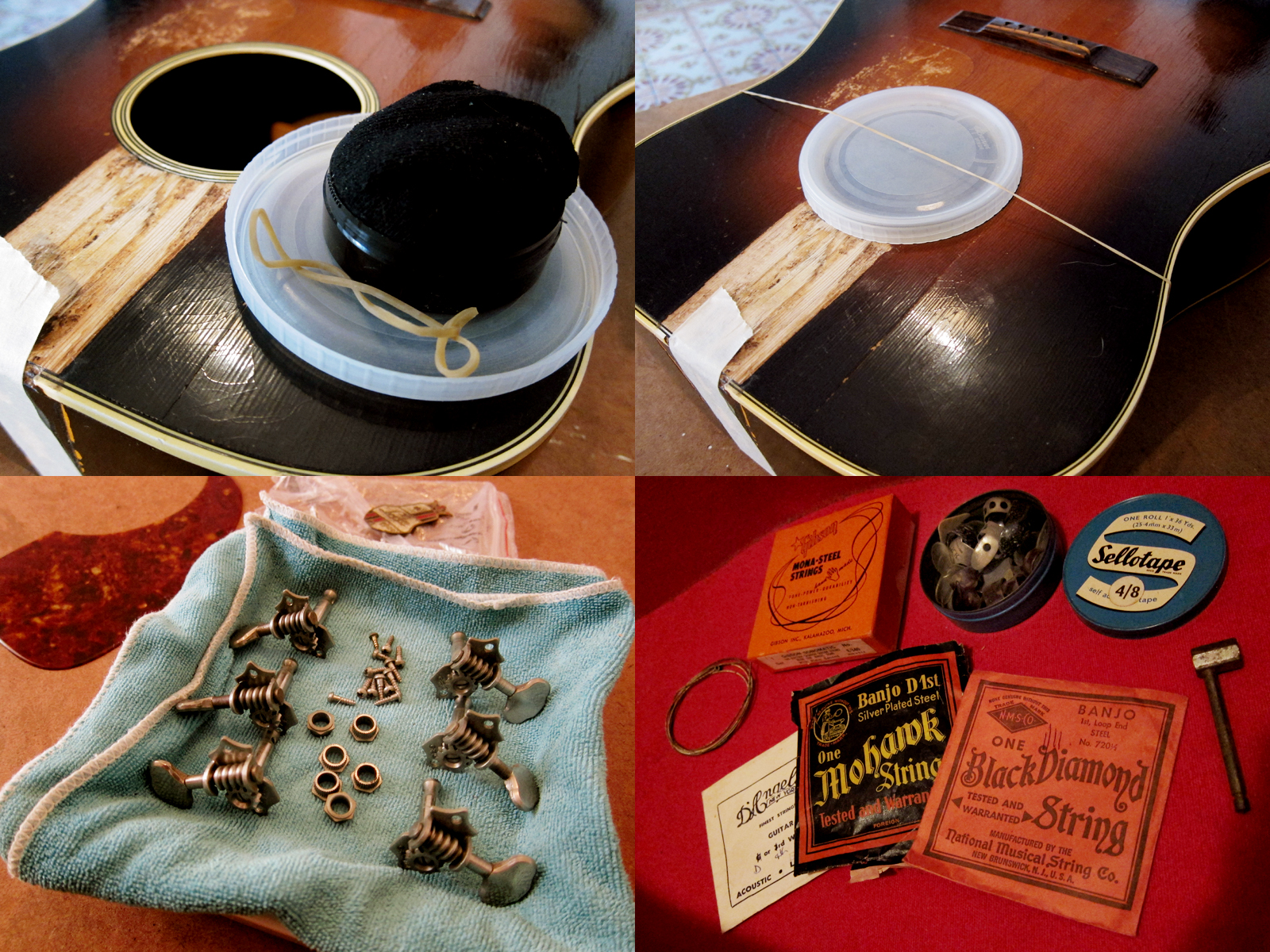
According to Roger the guitar has been stored in a back room in it’s case for the last three decades and I guess the humidity wasn’t ideal, hence the cracks. As soon as I got the guitar I started to humidify it with a wet sock in a plastic container inside the body and then sealed of the hole with a lid from a Mercadona lunch box. The Grover machine heads from 1965 got a good clean and is now oiled up and works fine.
In the last picture you can see what lied hidden in the accessory compartment in the old hardcase. Old guitar and banjo strings, an old sellotape box full of fingerpicks and best of all, an original Levin trussrod key. I’ve been looking all over for one of these. Thank you Roger.

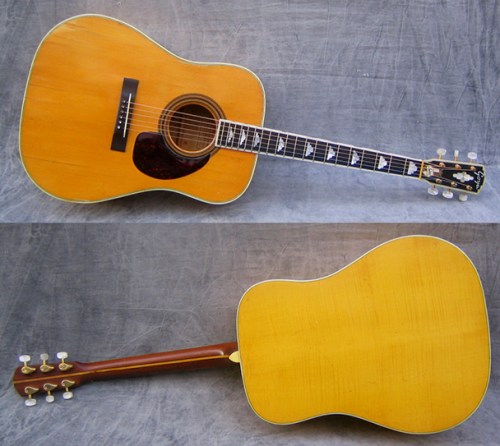
Levin

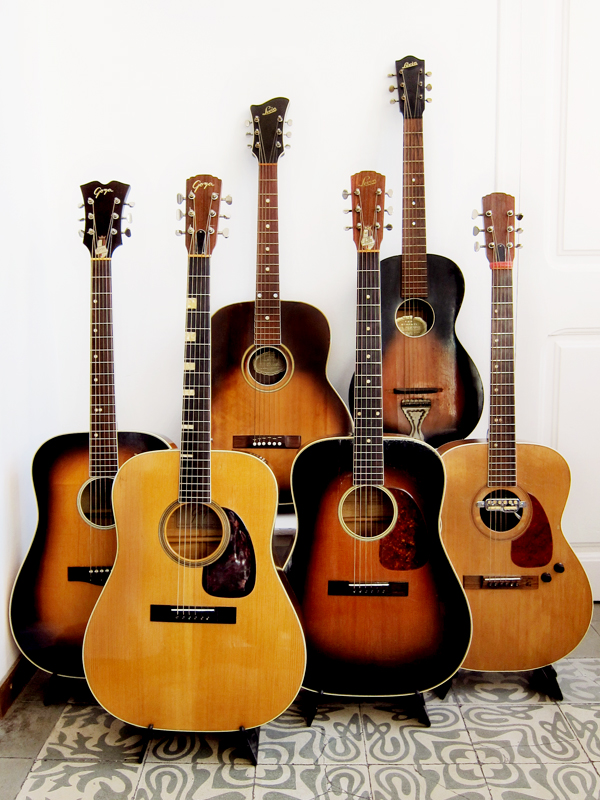
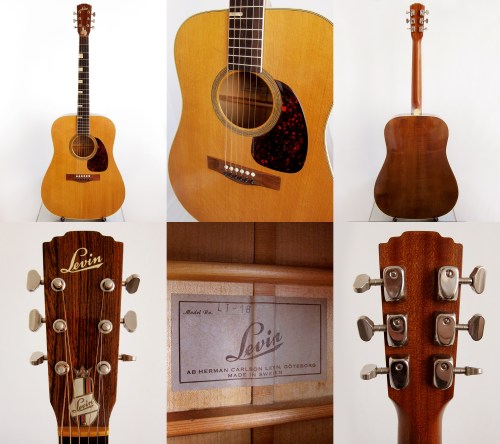
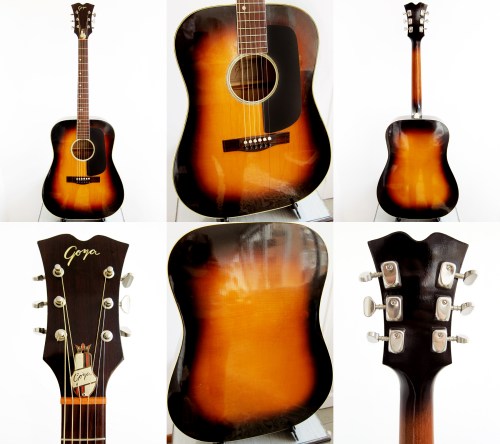
Goya Model 163 (1968), Goya T-18 (1966), Levin Model 13 (1950), Levin LT-16 (1966), Levin Model 65 (1942), , Levin LM-26 (1959), Levin Model 174 (1972)
Update: February 15, 2014 with my 3 new Levin guitars. From left to right: Goya Model 163 (1968), Goya T-18 (1966), Levin Model 13 (1950), Levin LT-16 (1966), Levin Model 65 (1942), Levin LM-26 (1959), Levin Model 174 (1972)

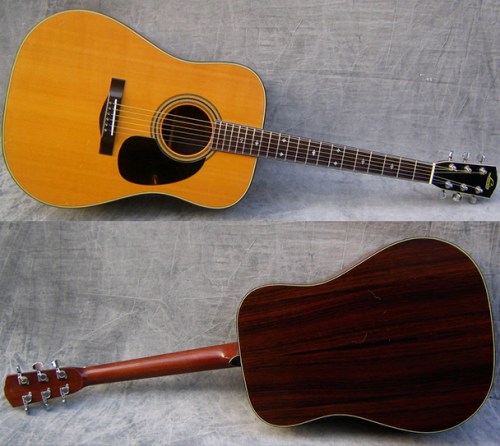
I was back in Sweden over the weekend and I was really hoping to extend my Levin collection. I had seen a couple of guitars that I wanted to go and try but in the end I didn’t have time to do anything more than just visit my family, which was the reason why I went back in the first place. I really don’t need any more guitars but since I’m so happy with my Goya T-18 I can’t stop looking for other Levin’s. I actually did manage to extend my collection but not while in Sweden, I won a Levin LM-26 from 1959 on eBay the night before I left Barcelona. It needs quite a bit of work so as soon as it arrives here and I’ll start to fix it up I will post some pictures and write more about it. What I have gathered so far by talking to Levin owners on Swedish forums is that the Sixties ones sound more like old Gibson’s and the Seventies Levin’s are closer to Martin, which makes sense since C.F. Martin & Co bought Levin in 1973. It might all be in my head but I think there is a bit of Gibson sound over my Goya T-18. The three Levin models that I’ve been dreaming of, after the Levin LM-26 but that’s already sorted now, is the stupidly beautiful Levin/Goya M-50, the awesome Levin/Goya 174 and the less impressive looking but supposedly amazing sounding Levin W 32 J. To find a Levin/Goya 174 shouldn’t be too hard, I might actually have already found one that I like. It would be a lot harder to come across a Levin/Goya M-50, I think it will be almost impossible so maybe that’s more of a lifelong Holy Grail project. They were too expensive to produce with all the extra bling, gold machine heads and mother of pearl cloud shaped inlays all over the fretboard so they stopped making them in the early Sixties. The Levin W 32 J is not that rare, they actually produced quite a few but people doesn’t seem to be too inclined to sell them and when they do, they are quite expensive. I have seen one, that I actually wanted to go and try, in Jam a guitar shop in Stockholm for 9500 SEK, around 1100€, which felt a bit much. It’s actually not that overvalued since The Fellowship of Acoustics in the Netherlands are selling their Levin’s on eBay for 1400-1600€. These are top end models we are talking about but since normal people that have inherited an old Levin or want to sell their old guitar see those guitar prices they of course think that their guitar is worth over 1000€ too, which isn’t always the case. I guess this over valuation makes my guitars worth more but at the same time it’s extremely annoying when you want to buy a new one and people wants an arm and a leg for them, or 1000€.

1963 Goya M-50
1963 Goya M-50
© Vintage Guitars

1970 Levin Model 174
1970 Levin Model 174 © Vintage Guitars

1979 Levin W 32 J
1979 Levin W 32 J © Vintage Guitars

Goya T-18

Goya Model 163, Goya T-18, Levin Model 13, Levin LM-26, Levin Model 65, Levin LT-16
The Levin family, Goya Model 163 (1968), Goya T-18 (1966), Levin Model 13 (1950), Levin LM-26 (1959), Levin Model 65 (1941), Levin LT-16 (1966)

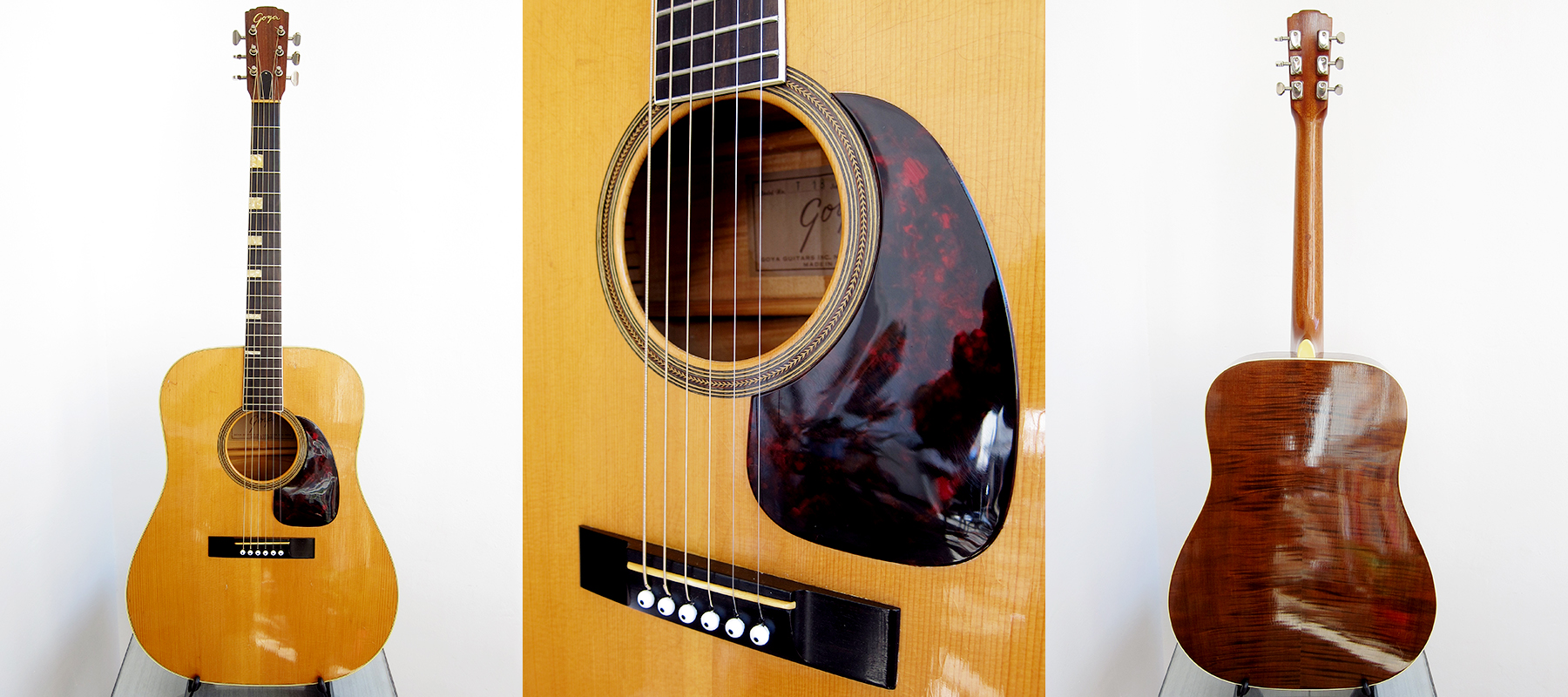
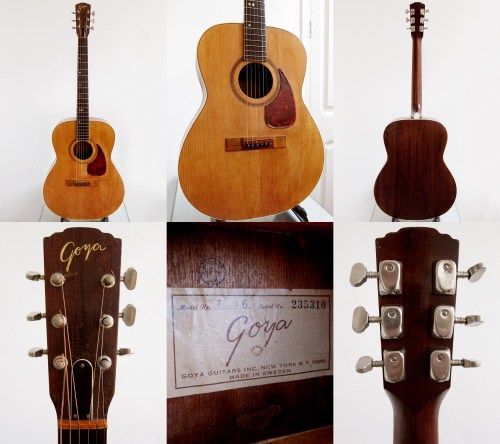
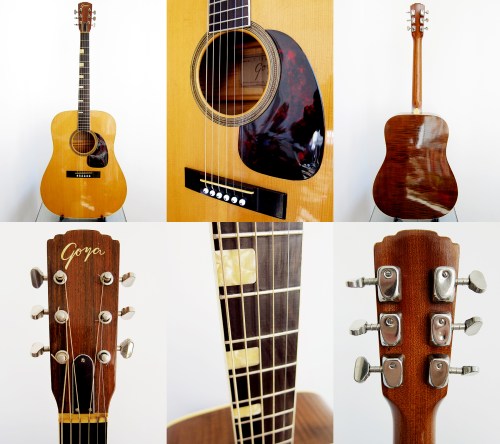
Last week I received my latest project, a lovely Goya T-18 made in Sweden by Levin in 1966. It sounds really nice and works great for cowboy chords but there are a few things that needs to be sorted before I can play her properly. First of all there are two dents on the back of the neck, it almost seems like the lacquer has melted or reacted with the the leather flap for the accessory department in the case. It came with what seems to be the original hard case and who knows, maybe she has been stored in there for decades. So these dents or groves needs to be filed with lacquer and evened out, let’s see how that goes. I also need to re-glue the pickguard, but that shouldn’t be too hard as soon as I receive my fish glue that I’ve ordered from Germany. The Van Gent machine heads looks almost new and it could be the original nut and saddle but not bridge pins. There is a few marks on her but overall she is in really good state for her age. The lacquer on the top has cracked a bit but that seems to be standard on these late 1960’s Goya T-18, but not on the Levin LT-18 so they must have used different lacquer for them. The big thing that needs to be done is to try to reset the neck. I have never done anything like it but since these are quite cleverly bolted on maybe it wouldn’t be impossible, if I just find the right square key to loosen the bolts inside. The Goya T-18 sounds a lot bigger and fuller than my dad’s old Levin LT-16 which could be down to the size more than the materials, I’m not sure. She sounds bright but still with a lot of bottom which I like, I actually think this is my best sounding acoustic after my Morris W-40. I’m trying to get the biggest Levin collection in Spain, well I might already have it, who knows.

Update: December 6, 2013
I finally managed to get my beloved Goya T-18 sorted and now it plays beautifully

Levin Goya T-18 Made in Sweden 1966

Levin Goya T-18 Made in Sweden 1966

Goya T-18

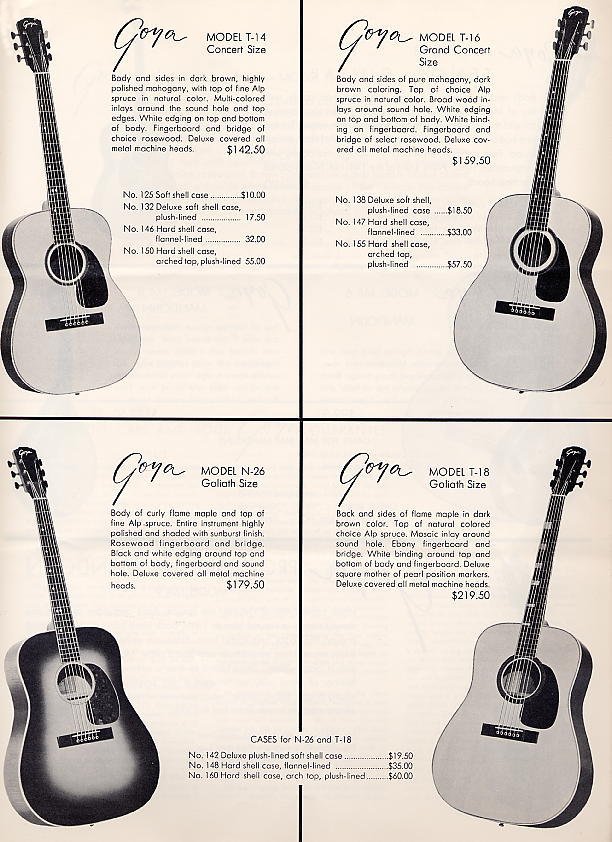
Goya catalogue 1965
Levin’s Goya catalogue from 1965

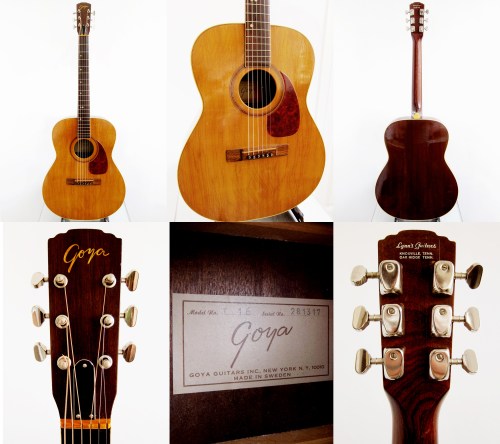
I’m very excited about my future Goya T-18 from 1966. I managed to find one in a fairly good state for a reasonable sum on eBay and couldn’t resist. I’ve decided that from now on I’m just buying Swedish made Levin acoustics, they were called Goya in the US. Since I haven’t received the guitar yet, it will probably spend a week or to in the customs office in Madrid, I have to stick to looking at old catalogues and dream. They have a review of a Goya T-18 from 1965 in the latest issue of Acoustic Guitar, under Great acoustics, 1965 Goya T-18 by Teja Gerken. I need to find a copy so I can get an idea of what I’ve got myself in to. It can’t be that different from my dad’s old Levin LT-16 also from 1966, which is among the best acoustic guitars I’ve ever played. The Levin LT-16 or Goya T-16, has alp spruce top and mahogany back and sides while the Levin LT-18 or Goya T-18, has alp spruce top and flame maple back and sides. The LT-18/T-18’s Goliath size is also a bit bigger than LT-16/T-16’s Grand Concert size so let’s see how the size in combination with maple instead of mahogany affects the sound. The LT-18/T-18The LT-18/T-18 was top of the line in the mid Sixties and cost $219.50 new in 1965.

Goya catalogue 1965
Levin’s Goya catalogue from 1965. Next I will have to find a Goya N-26 or Goya N-22 in sunburst from the mid 1960’s.

Levin LT-16 Made in Sweden 1966
My dad’s old Levin LT-16 from 1966

Levin

Goya GG-172 (1970), Levin Model 13 (1950), Goya Model 163 (1968), Levin Model 174 (1972), Levin Royal (1951), Levin LM-26 (1959), Levin Model 65 (1942), Goya T-18 (1966), Levin LT-14 (1965), Levin LT-16 (1966) The Levin family back in the days, from left to right: Goya GG-172 (1970), Levin Model 13 (1950), Goya Model 163 (1968), Levin Model 174 (1972), Levin Royal (1951), Levin LM-26 (1959), Levin Model 65 (1942), Goya T-18 (1966),  Levin LT-14 (1965), Levin LT-16 (1966)
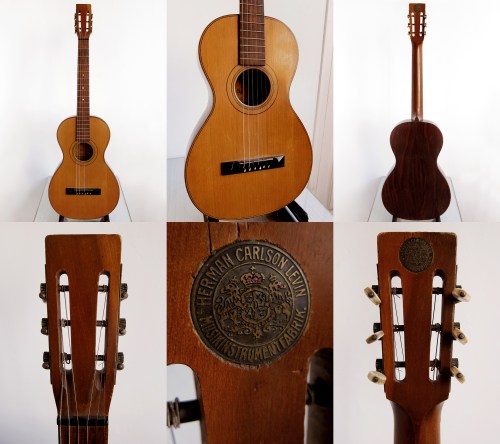
Last week I managed to become the proud owner of two new, or rather very old, Levin guitars. With some persistence, a huge dose of luck and some money changing hands I managed to get them both here safe and I already love them. I have always been a huge fan of Hagström, also built in Sweden, but didn’t know how much I loved Levin until I figured out that my dad’s old guitar was actually a Levin. It doesn’t have any markings on it but you can read about my Levin epiphany here. The problem with old guitars is that they quite often forgot to mention the model anywhere, so you have to do a lot of detective work. Luckily for me there is an awesome guitar shop, Vintage Guitars Stockholm, that has more or less everything Levin has ever made listed on their Levin information pages. They also have some info on Hagström and the brands built by Bjärton, and the rest of the brands built by Levin: C. F. Martin & Co, Clangiton, El-Goya, Goya, Kay-Tone, Klangola, Torres, Zandelin, Nivello, Rondo. I managed to track mine down to a Levin LT-16, Levin Model 65 and the amazing Levin Model 13 Ambassadör. These Levin guitars are a bit thin sounding compared to other guitars, well I don’t have any other guitars that are 70 years old, but still. Then again they aren’t full sized so no wonder that they lack a bit of bass compared to a dreadnought, but they are very light and extremely resonant in the higher register so they are perfect for finger picking. Either way I’m super happy to have found four so old and amazing guitars that have been built in the country where I grew up, Sweden.

Maybe I should add a little disclaimer here, this was originally posted back in August 2013, the Levin collection and my appreciation and understanding of the brand has grown a bit since then.

Levin Model 2 Parlour Made in Sweden 1914Levin Model 2 Made in Sweden 1914

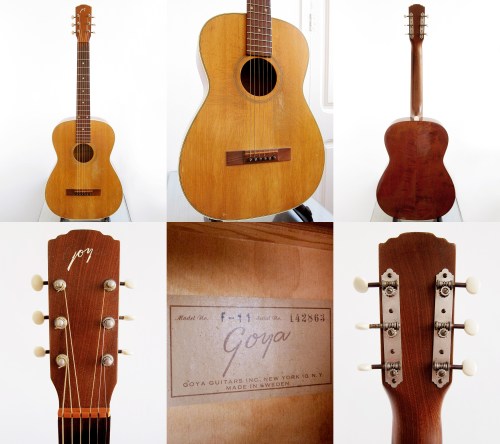
Levin Goya F-11 Made in Sweden by Levin 1963Goya F-11 Made in Sweden by Levin in 1963

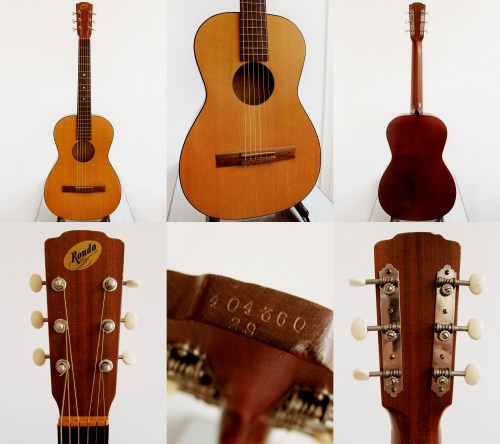
Rondo Model 29 Made in Sweden by Levin in 1960Rondo Model 29 Made in Sweden by Levin in 1960

Levin LT-14 / Goya T-14 Made in Sweden 1965Levin LT-14 Made in Sweden 1965

Levin LT-16 Made in Sweden 1966Levin LT-16 Made in Sweden 1966

Levin Goya T-16 Made in Sweden 1965
Goya T-16 Made in Sweden by Levin in 1965

Goya T-16, made in Sweden by Levin in 1966
Goya T-16 Made in Sweden by Levin in 1966

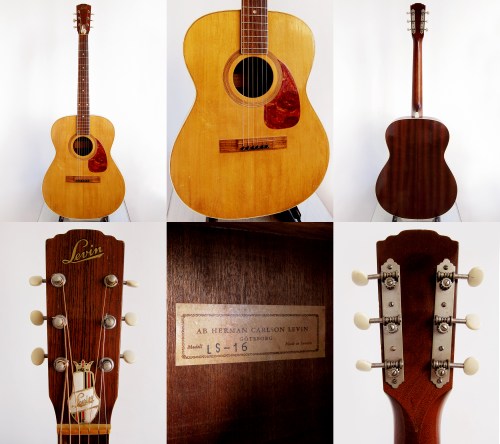
Levin LS-16 Made in Sweden 1963Levin LS-16 Made in Sweden in 1963

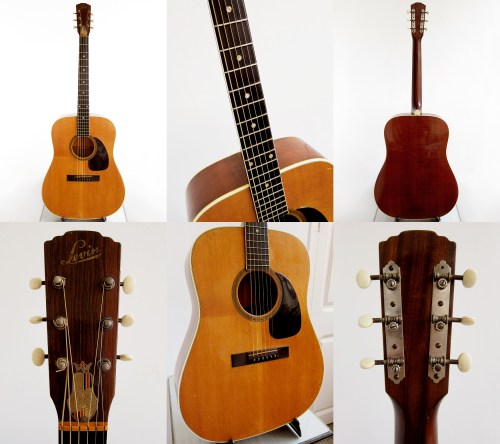
Levin LS-18 Made in Sweden 1960Levin LS-18 Made in Sweden 1960

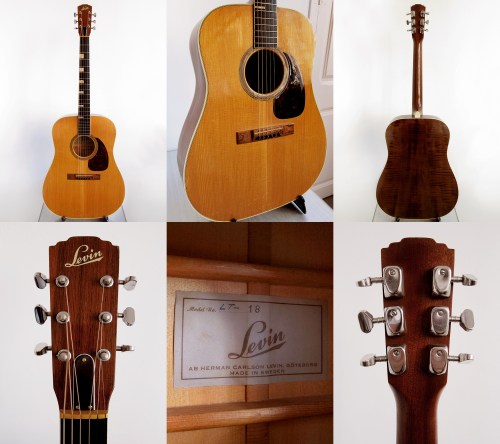
Levin LT-18 Made in Sweden 1963Levin LT-18 Made in Sweden 1963

Levin LT-18 Made in Sweden 1966Levin LT-18 Made in Sweden 1966

Levin LT-18 Made in Sweden 1965

Levin LS/LT-18 Made in Sweden 1965

Levin LT-18 Made in Sweden 1968

Levin Goya T-18 Made in Sweden 1966Goya T-18 Made in Sweden by Levin 1966

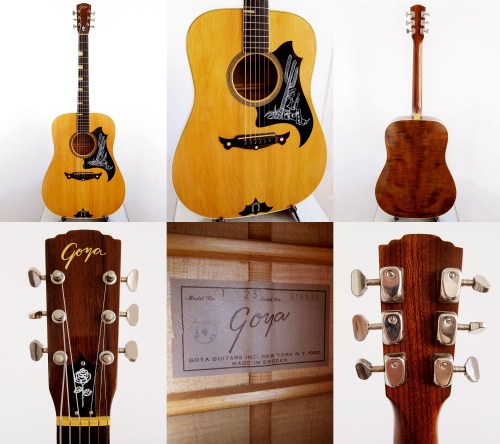
Levin Goya T-23 Made in Sweden 1966

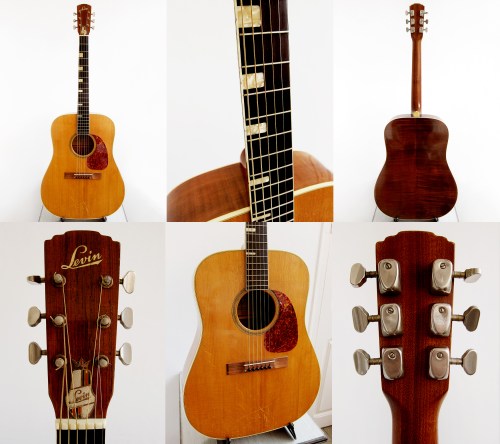
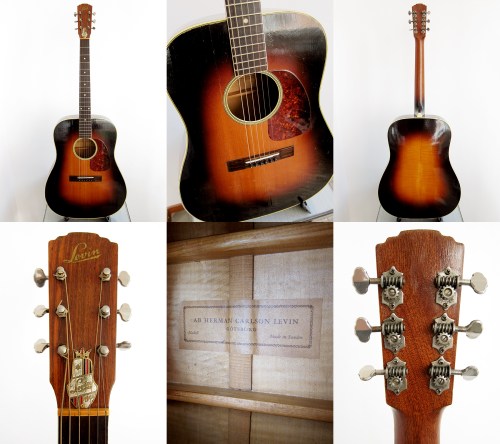
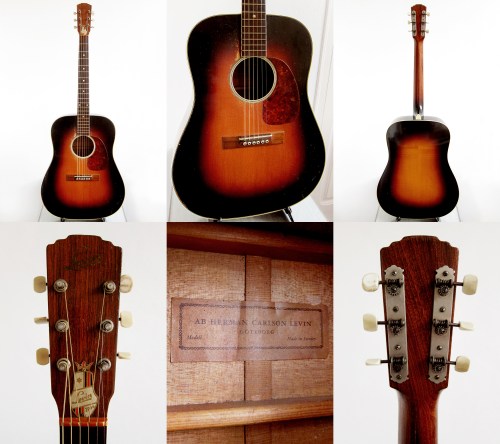
Levin LM-26 1959Levin LM-26 Made in Sweden 1959

Levin LM-26 Made in Sweden 1959Levin LM-26 Made in Sweden 1959

Levin LM-26 Made in Sweden 1963Levin LM-26 Made in Sweden 1963

Levin Goya 172 Made in Sweden 1970Goya GG-172 Made in Sweden by Levin 1970

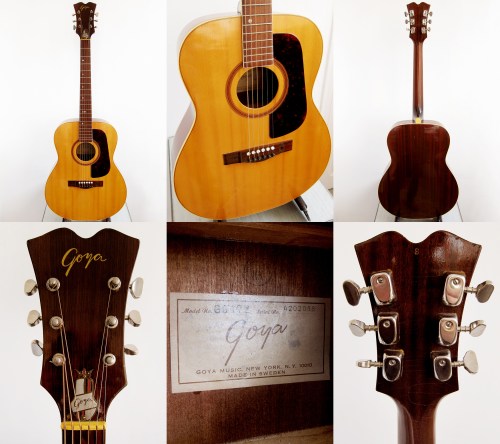
Goya Model 163 Made in Sweden 1968Goya Model 163 Made in Sweden by Levin 1968

Levin Model 174 Made in Sweden 1972Levin Model 174 Made in Sweden 1972

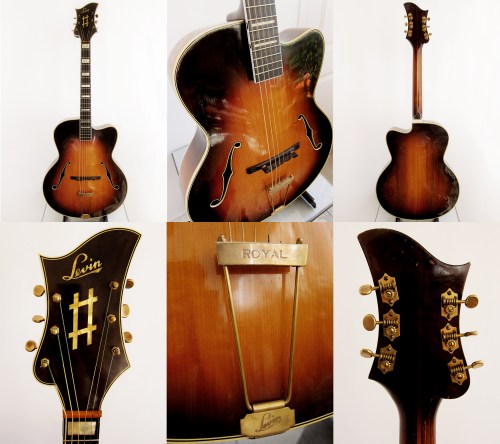
Levin Model 3 Royal Made in Sweden 1951Levin Model 3 Royal made in Sweden 1951

Levin Model 32 Made in Sweden 1946Levin Model 32 made in Sweden in 1946

These two Levin guitars used to be a part of my collection but I had to sell them to make space for other Levin guitars:

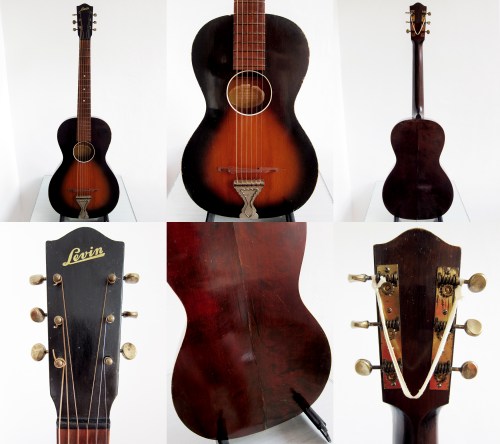
Levin Model 65 parlour guitar Made in Sweden 1942Levin Model 65 parlour guitar Made in Sweden 1942

Levin Model 13 Ambassadör Made in Sweden 1950Levin Model 13 Ambassadör Made in Sweden 1950

Herman Carlson Levin was a young furniture maker that moved from Gothenburg to America and got a job at a guitar manufacturer in 1888. He soon started his own company in New York building instruments and while he was back visiting Sweden he realised that the demand was even higher there. He moved back home and in 1895 started Herman Carlssons Instrumentfabrik in Gothenburg. They were only five instruments makers in 1903 when they built their 1000th guitar but they soon grew bigger and bigger. The factory was one of the best in Europe and between 1904 and 1912 Levin received many awards including the gold medal in Madrid in 1907 for best guitar as well as the exhibition’s Grand Prix price. By 1936 the 100,000th instrument had left the plant and Levin was marketing a successful line of archtop guitars, like the world famous Levin De Luxe 1938. Shortly before 1940 Levin employed a crew of 45 in facility of a 1000 m². In the 1950s, Levin launched a line of inexpensive guitars intended for schools and novice guitar players. These guitars were of lower quality than the rest of the Levin line up. In 1952 Jerome Hershman a guitar distributor from America noticed Levin guitars at a trade show in Germany and convinced the Levin company to let him market their guitars in America under the name Goya, Levin apparently sounded too Jewish. He also got Hagström to make some fine electric guitars for the US market as well. These nylon stringed Levin / Goya guitars got quite popular in the late 1950’s and especially with the folk singers in the 1960’s when they started to produce steel stringed guitars on a typical nylon stringed body. When Goya was sold in 1968 the Goya export was approximately 70% of Levin’s total production. They had a huge contract with Goya that they lost in this sale, something that took really hard on Levin and they had to close down the second factory they opened in Lessebo and let half of its work force go. A lot of companies got bought and sold over the next few years, Kustom bought Goya, Dude bought Kustom and in the end C. F. Martin & Co bought them all. In 1973 when Martin bought Levin, it became the headquarters for Martin Guitars and their Japan import brand Sigma Guitars in Europe, as well as actually producing a run of some 200 Martin D-18 acoustic guitars, which were labelled “LD-18 – Made In Gothenburg, Sweden. These are quite rare and expensive today. The last “real” Levin built in Sweden left the factory in 1979, they are still building nylon stringed Levin guitar in Sweden to this day. In 1982 Svensk Musik AB bought the name Levin and the remaining stock from C. F. Martin & Co and in 2000 they changed their name to Svenska Levin AB. They are now producing steel stringed guitars in the far east and have a small batch of nylon stringed guitars being built in Sweden. Here is the whole story about Levin together with some amazing photos, Levin History.

Django Reinhardt at the Aquarium, New York City, 1946
Django Reinhardt is playing Fred Guy’s Levin De Luxe backstage at the Aquarium in New York City 1946. © William Gottlieb

p029ng1b
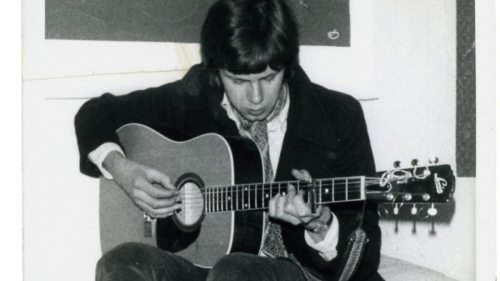
Nick Drake playing a Levin guitar

Hootenanny Singers
Hootenanny Singers sure liked their Levin guitars. Björn Ulvaeus, the guy on the far right got a bit famous later on with his next band, ABBA.

Levin was pretty much the main brand for acoustic instruments in Sweden back in the days. We also had Bjärton but they mainly made nylon stringed guitars and of course Hagström but they were more famous for their electric instruments, even though they built some really nice acoustic guitars together with Bjärton like the legendary Hagström J-45.

Levin guitar factory
I’m not sure if it was the handsome chap to the left that built my Levin Model 13 Ambassadör. The Levin guitar factory on Kvillegatan 9 in Gothenburg in the late 1940’s.

Levin catalogue 1968
Taken from the Levin catalogue 1968

In 1972 negotiations between the C. F. Martin & Co. and Levin results in that C. F. Martin & Co. purchases Levin in June 1973.
In 1972 negotiations between the C. F. Martin & Co. and Levin results in that C. F. Martin & Co. purchases Levin in June 1973 and Levin got to make some 200 Martin D-18 acoustic guitars, which were labelled “LD-18 – Made In Gothenburg