Claescaster

The Claescaster

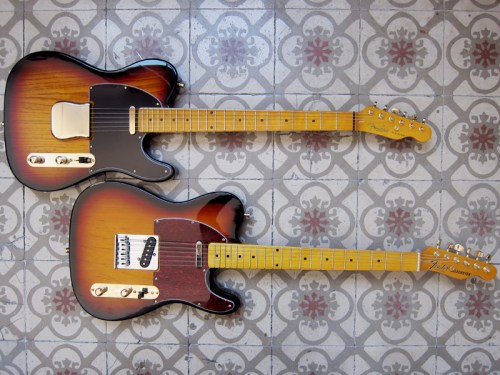
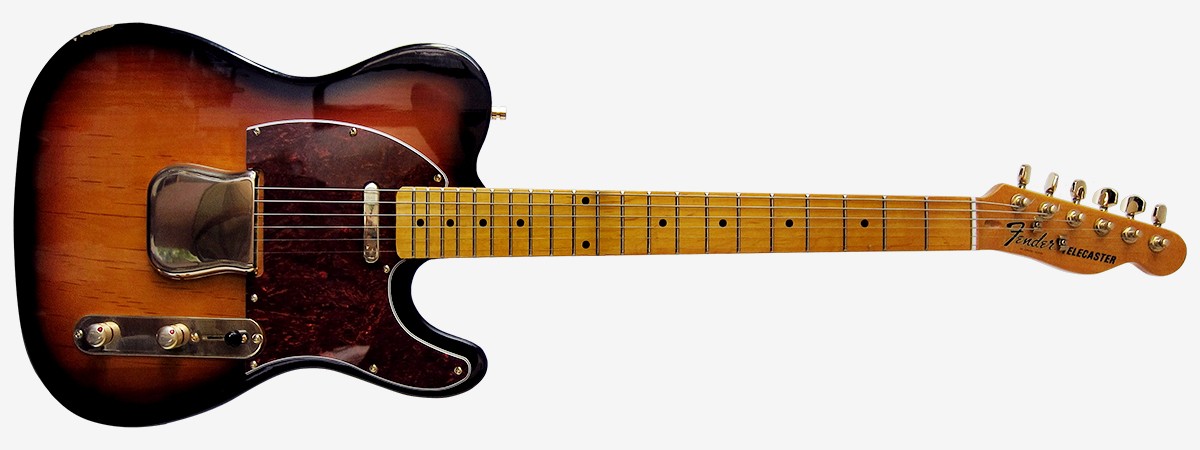
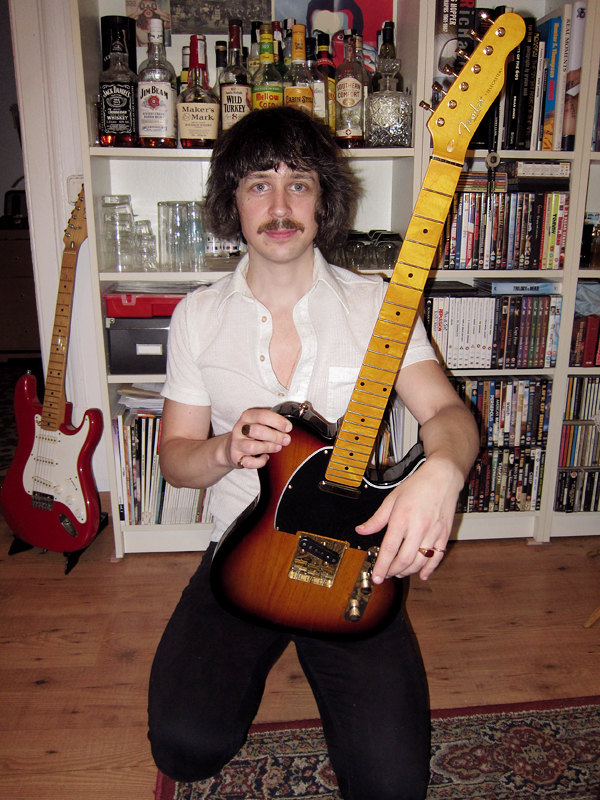
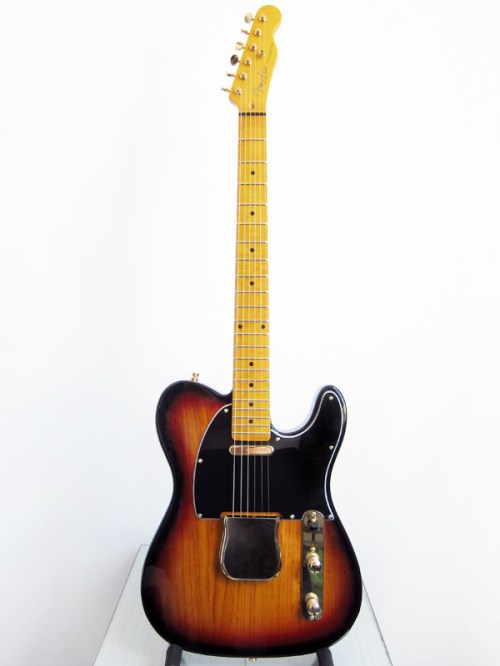
Claescaster The new Claescaster has been my office guitar for the last month or so and I’ve really grown to love it. I guess all new guitars needs to be broken in by being played a lot so 30-40 min a day so should do the trick. There is nothing more relaxing than playing guitar after you have eaten, well maybe sex but that would be rather awkward in a office environment. I can strongly recommend everyone to get yourself an office guitar, if don’t already have one.

Hobbs Music P-bass

Hobbs Music

Back in January I bought a really nice Japanese made Precision bass for my friend Dani from South City Music. Well he paid for it but I had to order it since he doesn’t have an eBay account. He is as addicted as I am when it comes to buying instruments online so he doesn’t trust himself with an eBay account, probably for the best. It was pretty beat up but looked really nice in dark sunburst with a maple fretboard. It wasn’t a proper brand it just said Hobbs Music on it, which turned out to be Hobbs Musical store in Lancaster so I assume they imported it in the Seventies from Japan and put their own name on it. Anyway, the bass arrived but Dani wasn’t happy with the pickups so it was put a side for six months and now we ordered a set of Artec Alnico V P-bass pickups and new bridge and pickup covers from Custom world guitar parts. Dani fitted everything but passed the bass over to me to just look it over. He had done a good job, the wiring was correct and the soldering looked good. I did my best to clean it up, adjusted the saddles to get the action down and sorted the intonation. It’s a really heavy and solid bass, good wood for sure and the maple neck is amazing to play on. I plugged it in to check that everything was in order and sat for a half an hour playing bass by myself, something I never do. It felt quite a lot like my Japanese Jazz bass copy from 1978. It’s unbranded too, or rather someone has removed the logo on the headstock so I don’t know what brand it is. I can’t really jump to any conclusions from just two basses but I have a feeling that the Japanese basses are as well made as the guitars, even if it’s and unbranded instrument. I did an earlier post about the quality of Japanese guitars.

Hobbs Music Friday night fun, Swedish beer and a Japanese bass from the 1970’s

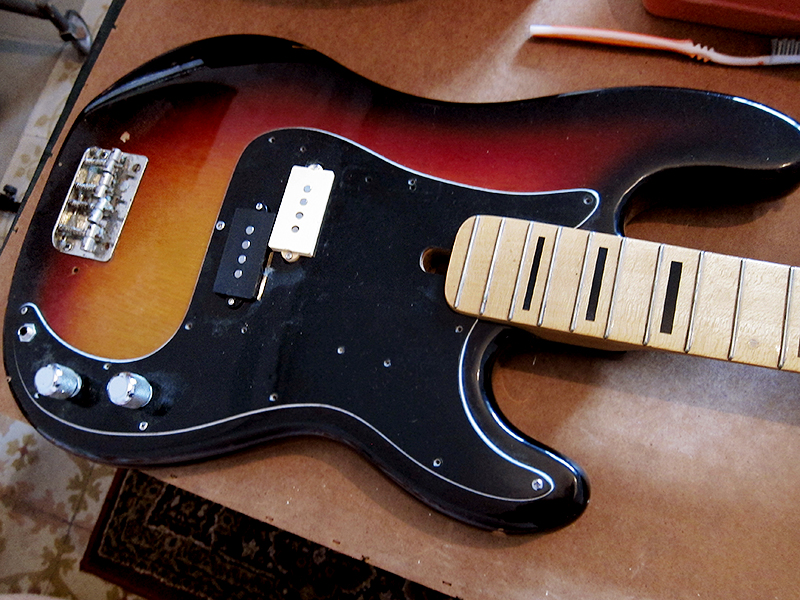
Hobbs Music The Hobbit, from Hobbs Musical store in Lancaster. Next step would be to get some new machine heads.

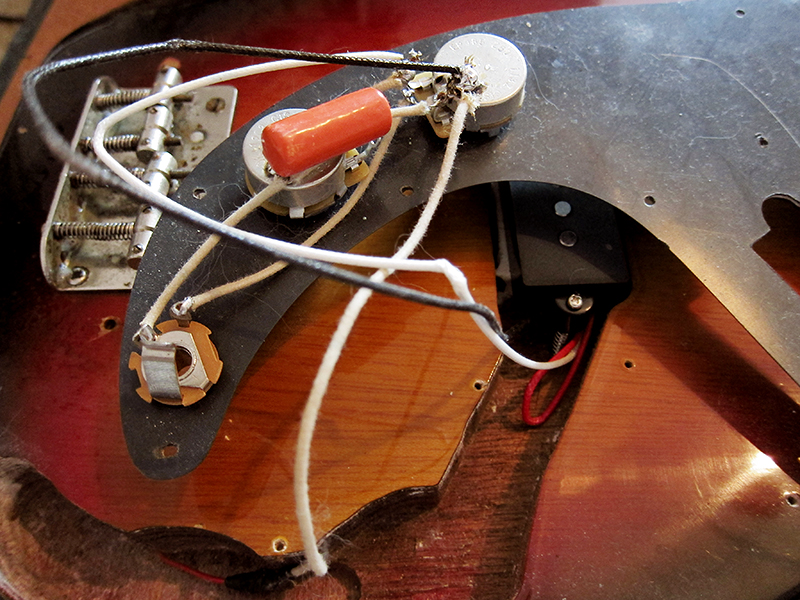
Hobbs Music  Everything seems to be in order, Dani had done a good job. Unfortunately I can’t say the same for the Japanese that routed that control cavity, seems like a pretty uneven job.

Hobbs Music Dani kept the original pickup covers, really nice in black and white. Notice my best friend in the top right corner, nothing works better than an old toothbrush when it comes to cleaning metal parts. It works great for removing grime from the bridge, saddles, machine heads and frets. If they are really dirty, a bit of oven cleaner speeds up the process.

Hondo D-18

Hondo D-18

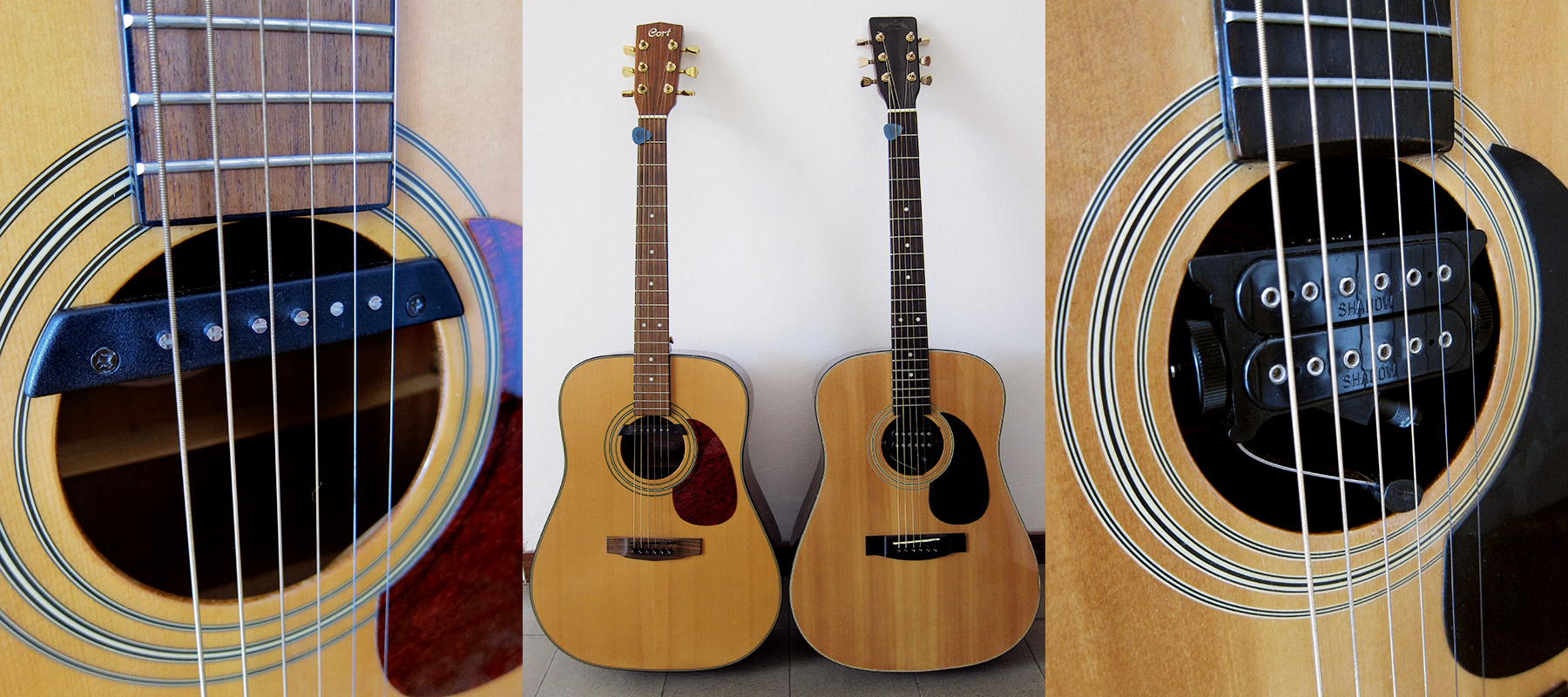
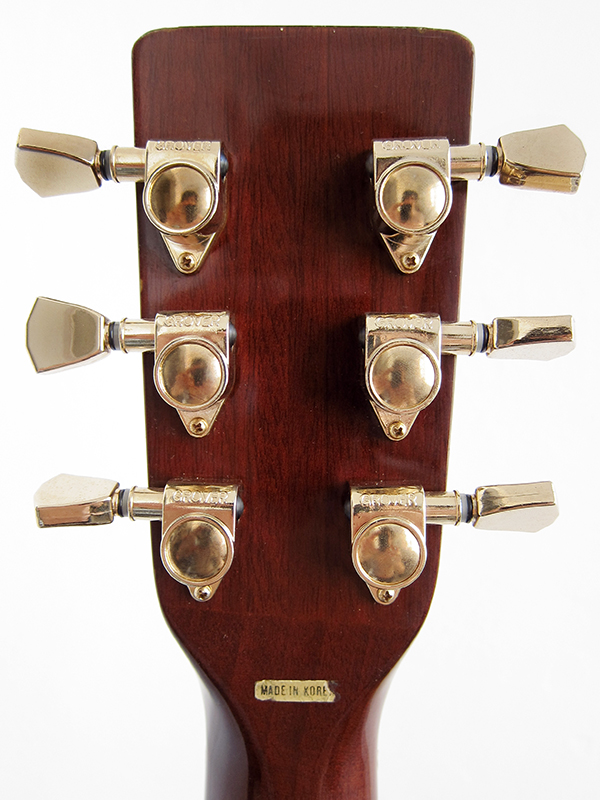
About a month ago I stumbled upon a Korean made Hondo D-18 acoustic guitar in a Cash converter. It only had 1 string and looked like shit but I was intrigued by the challenge to see if it I could get it to sing. I took it home, cleaned it up and restrung it and the first thing that hit was the tone. It has a really warm and nice tone, way deeper than any of my other acoustics. I’m not sure how old it is, I guess the 1981 on the label is referring to the company name and not the year it was made but it must be from the early to mid 1980’s.

Hondo D-18

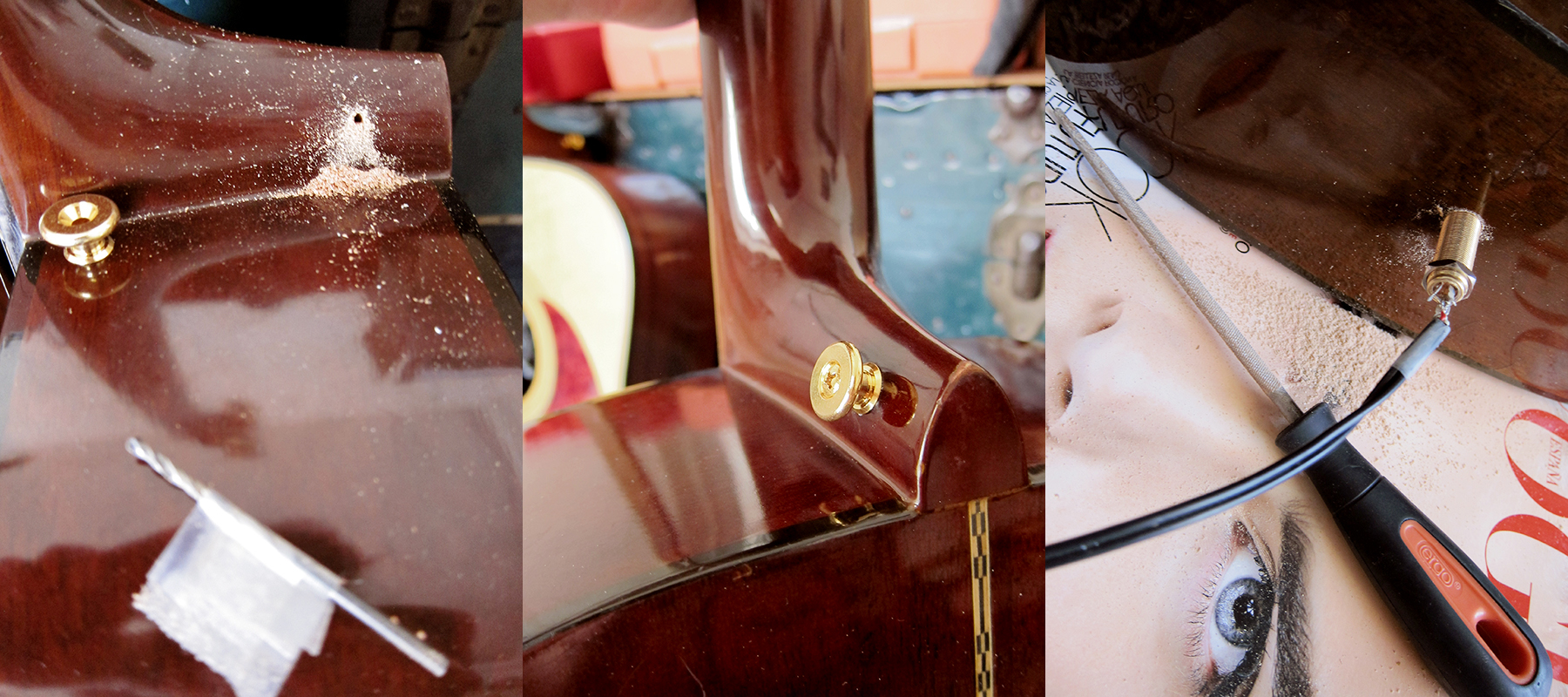
I changed the machine heads for a set of fake tulip Grovers that I bought on eBay about a year ago. Then I fitted a strap button and my old 1970’s Shadow pickup that I used to have on a 12 year old Cort I kept in the rehearsal room. It was the normal procedure, drill a pilot hole and then put some wax on the screw and fit the button. I had to widen the hole quite a lot to get the end pin jack in, but that was pretty straight forward as well with a round file. I do hate to fit end pin jacks since my underarm is to wide to fit in the sound hole so it’s quite pain full experience. If you have a girlfriend with slender arms nearby that is to recommend but mine was out of the house when I did this. I have to say that I’m pretty pleased with both the sound and the look of this guitar, the grain is amazing.

Hondo D-18

I had a cheap Artec MSP-50 pickup at home so I fitted that in my old Cort and then installed the Shadow pickup in the Hondo.

Hondo D-18

Hondo D-18

Hondo D-18

Hondo D-18

Update 2013-09-14
The Hondo D-18 is sold now. This is how happy Iñaki was when he bough it.

Hondo D-18 sold

Guitar of the day

Lowell George Lowell George from Little Feat’s 1970’s Fender Stratocaster. This is one his last ones, apparently he got so many guitars stolen during his career that he only played on modern Strats that was easy and cheap to replace. Most of them did look the same since he favoured light wood coloured big headed Strats with maple necks. He always installed a Telecaster bridge pickup and volume knob and used an 11/16 socket wrench as a slide. Don’t ask me what’s going on with the input jack but he changed that on all his guitars too. Notice his dungarees behind the guitar.

♪ ♫ Little Feat – Easy to slip

Lowell George Lowell George struggled quite a lot in life and was addicted to cocaine and hamburgers but he was a helluva slide player. Little Feat, the best kept secret of the Seventies.

The Old Claescaster

I have just ordered a new set of pickups for the old Claescaster. Since the new Claescaster is done I felt I needed another project so what could be better than giving some love to the old Claescaster. I went for some cheap Artec ones, just regular Alnico V pickups but with a bit of luck they could be good. They only cost  $24.00 for both so I don’t expect too much. I bought them from a Hong Kong site called EY Guitars, I didn’t want to order things from USA since I had so much trouble with the customs last time. I also ordered a Wilkinson vintage bridge in gold since I took the old one and put on the new Claescaster. Let’s see how it goes, how long it takes and if I get charged any extra custom fees.

cropped-claescaster3.jpg The old faithful Claescaster

These are the Artec Hot Ceramic Telecaster Pickups, a bit fancier then the ones I bought but they were sold out in gold so I had to go for something else.

Guitar of the day

David Gilmour’s Black Fender Stratocaster David Gilmour’s black 1969 Fender StratocasterDavid Gilmour’s Black Fender Stratocaster It went through quite a few changes over the years, new necks and pickups. He bought it in 1970 from Manny’s Music in New York as a replacement for his Strat that was stolen a few weeks earlier.

The Claescaster

Mighty Mite Telecaster The new Claescaster

My new Claescaster is finally done. It was fun, rewarding and extremely annoying to build. If anyone plans to put a guitar together, make sure that you either stick to American parts or non American parts. To mix like I did was a nightmare since nothing fitted. I don’t think a single part fitted straight away, I had to make every hole bigger, or cut a bit here and sand a bit there. Anyway, now it’s done and I’m really happy with it. I just need to change the nut tonight for a Tusq and then we are all set.
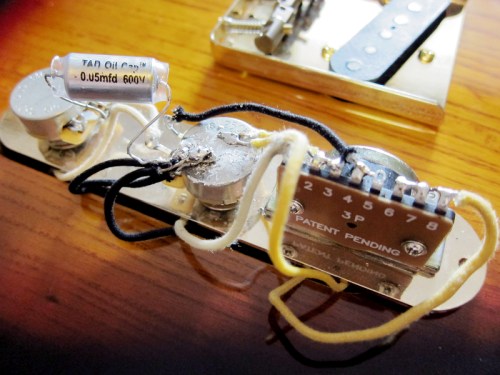
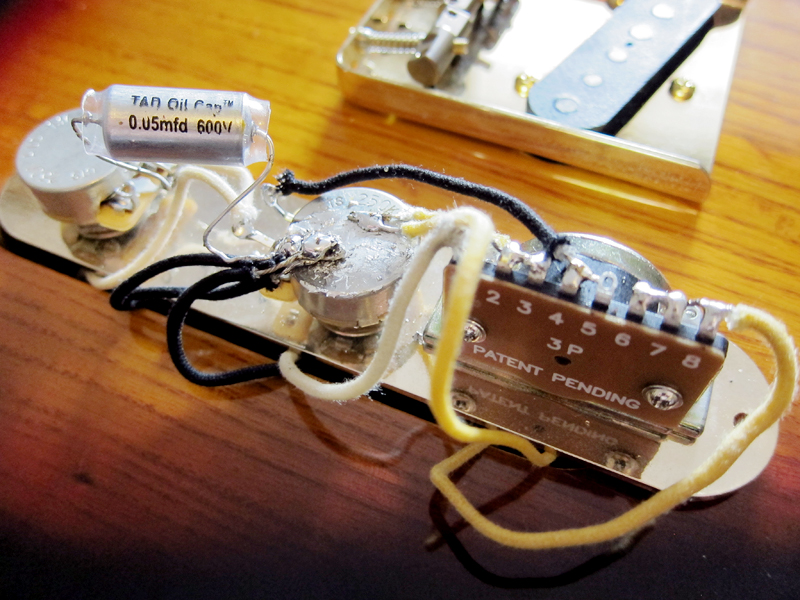
Telecaster electronics Not the cleanest soldering but at least everything works

I wish the ground cables would have stuck a bit easier to the pot so the soldering wouldn’t have been such a mess. I also realised when I first plugged it in that the switch didn’t work since I had soldered 1-3 and 6-8 together, apparently 1 and 8 shouldn’t be connected.
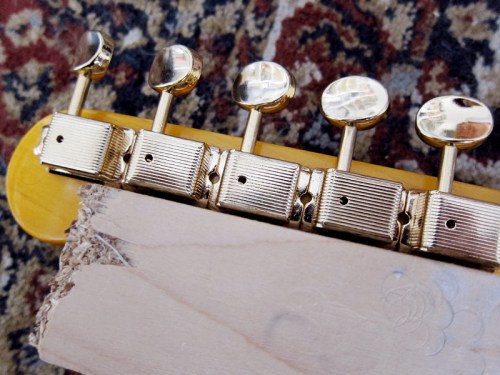
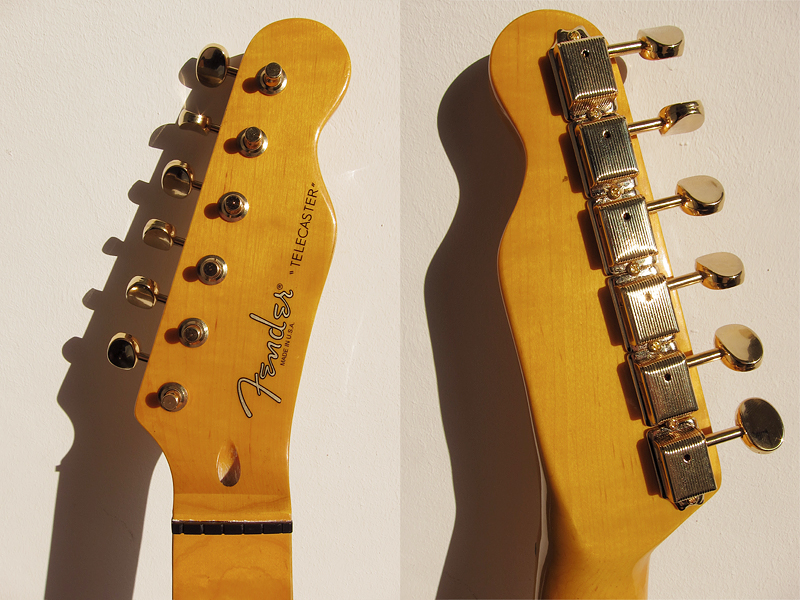
Kluson style machine heads Kluson style machine heads from Northwest Guitars

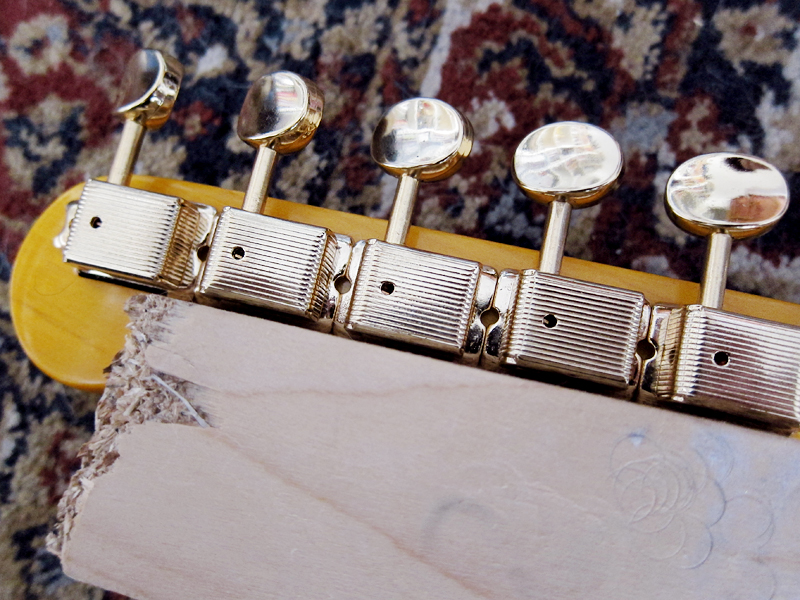
To fit the machine heads was pretty easy. Of course I had to make the holes bigger since they were 8mm and not 8.5mm as I was first told. I used a piece of wood to keep everything straight and to make sure they lined up. Then a tiny little pilot hole with the drill and in with the screw.
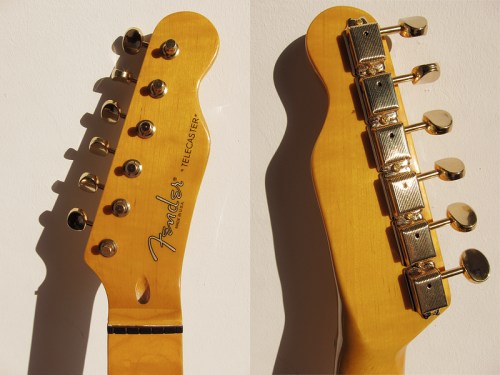
Kluson style machine heads I originally wanted a 70’s decal and modern machine heads but I think I start to prefer the 50’s logo and the Kluson style machine heads
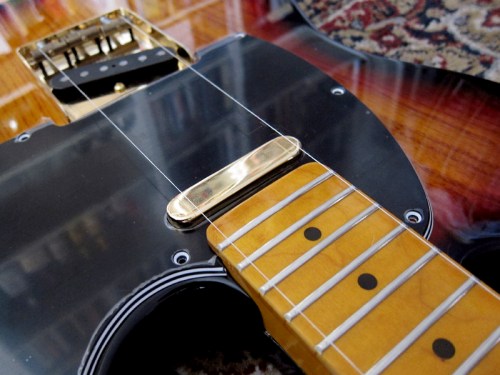
Mighty Mite Telecaster Time to fit the neck

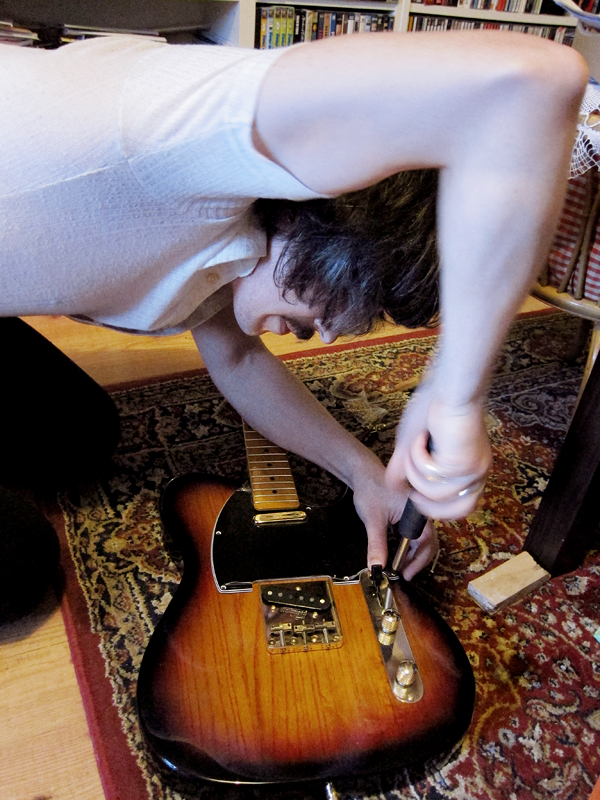
I read somewhere that this was a good trick to make sure you get the neck in the correct angle before you drill the holes. A piece of string through the body and around the two E strings to make sure that they are evenly spaced. I marked the holes with a hammer and a screwdriver before I drilled the pilot holes and then tried my best to keep the drill straight. A lot of people claim that you have to use a drill press but it works fine with a normal hand held drill.
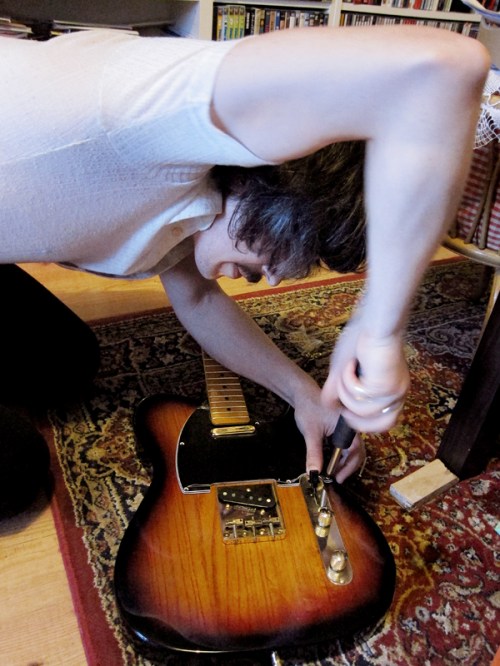
Mighty Mite Telecaster Last thing to do, fit the pickguard

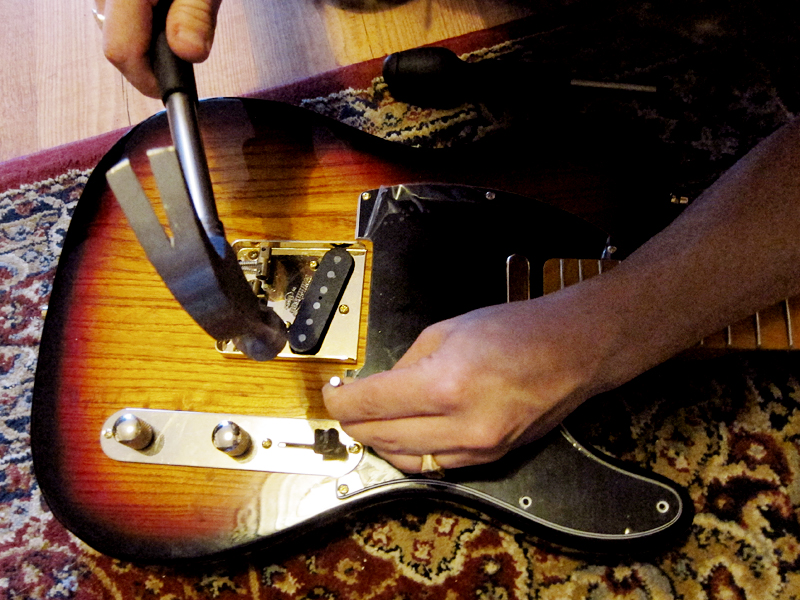
Of course the pickguard didn’t line up perfectly in the end so I had to cut out a bit more around the control plate. I used a knife and then smoothed it out with sandpaper around fat marker pen. I probably should have used a drill to make the pilot holes since the old nail and hammer tended to crack the lacquer in some places.
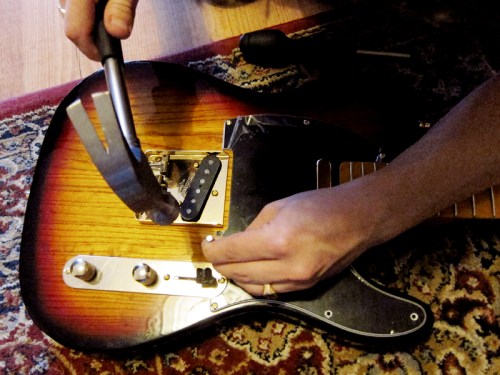
Mighty Mite Telecaster Last screw being marked out with a hammer and a nail
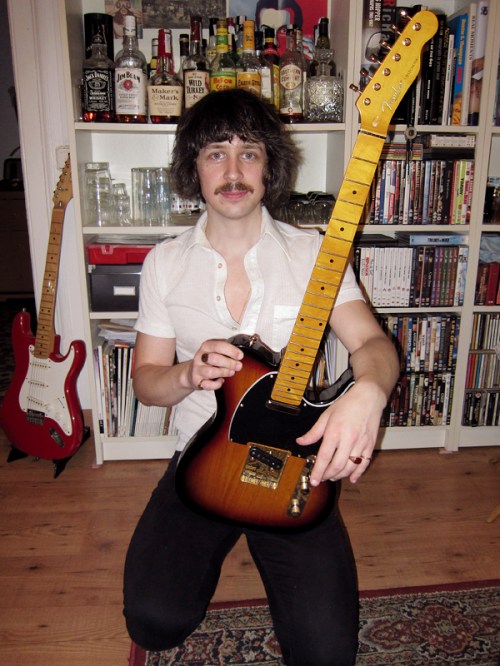
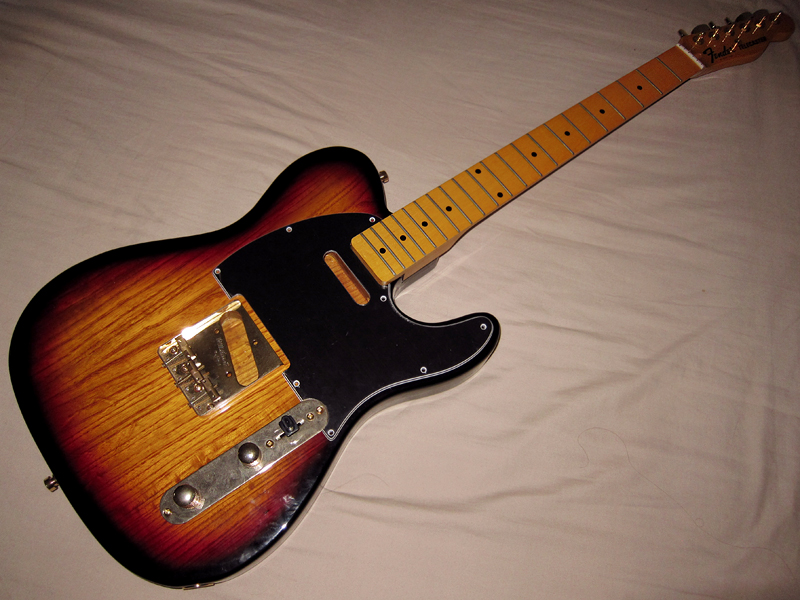
Mighty Mite Telecaster The Claescaster is finally finished

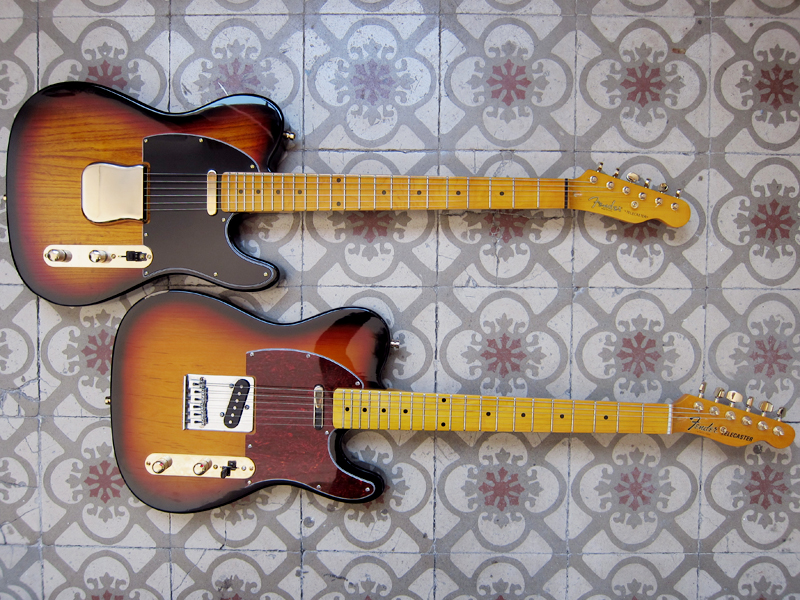
The Claescasters The old and then new Claescaster together

Look at the grain on the top one, the new swamp ash Claescaster, amazing. It weighs around 4.5 kg so a pretty fat little baby but it feels amazingly solid and nice around the neck. The old one, which is most likely basswood, weighs around 3.2 kg.

Earlier parts of the Claescaster story can be found here 1, 2, 3, 4.

Guitar of the day

Neil Young's 1953 Gibson
Neil Young’s 1953 Gibson Les Paul “Old Black.”

Neil Young's 1953 Gibson

Neil Young with his 1953 Gibson back in 1969

The Claescaster

Claescaster
This is what the final Claescaster might look like

Last week I started to put the new Claescaster together. I have never built a guitar before so there has been a bit of figuring stuff out. I decided to go for CTS pots since they are supposed to be the best but regretted my decision as soon as I got them. It turned out that CTS pots, and I guess most things made in the USA, doesn’t fit things made in Europe or Asia. The shafts of the pots was too big for my control plate so the first thing I had to do was to drill the holes bigger. That worked out quite OK with the help of my boss Ralf, someone had to hold while the other one drilled. However, since the shafts were bigger than all the other pots, washers and nuts I had lying around at home I couldn’t take any spare parts to make sure that not too much of the shaft was sticking up. It wasn’t too much work to force on a push on knob, but a lot harder to remove it. I went for a normal import 3-way switch since it cost 3€ and seemed solid and reliable. I bought all the electronics from Stringsfield in Valencia, really cheap and quick delivery.

Claescaster
Fancy CTS pots from the USA that turned out to not be Asian friendly in size

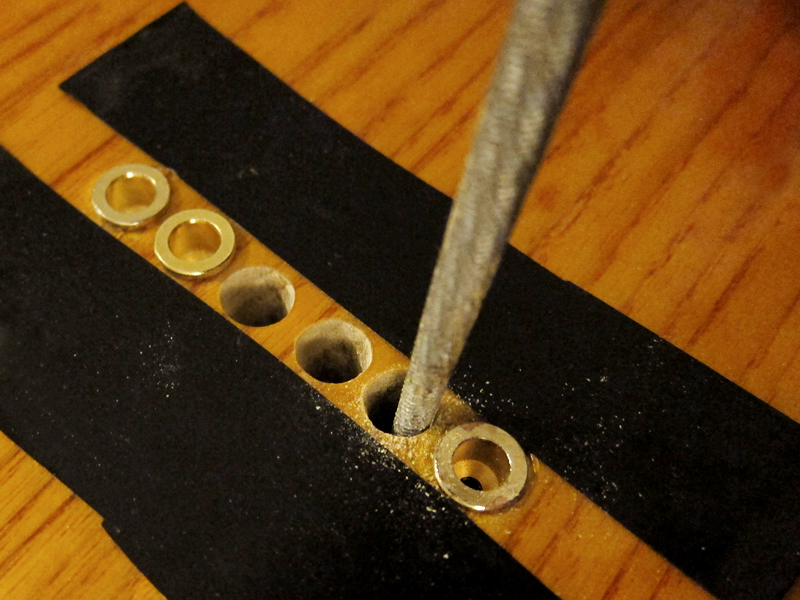
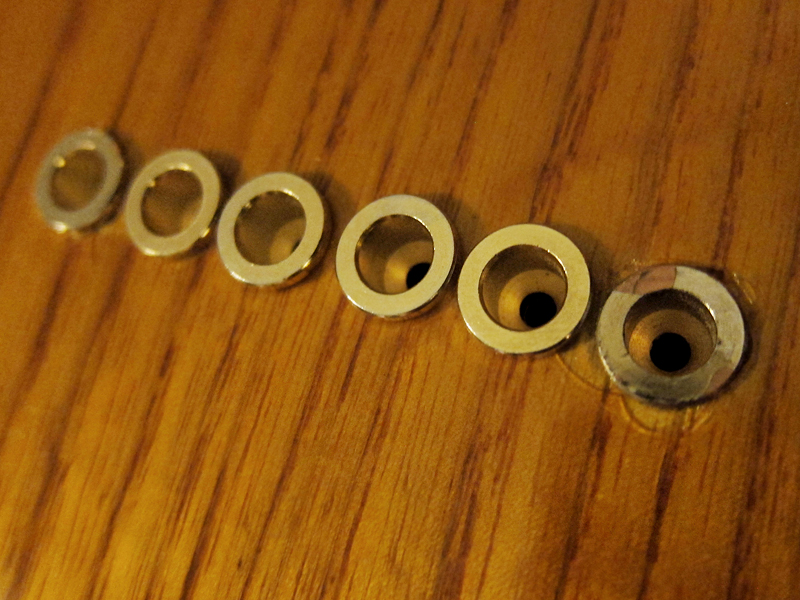
Next problem I had to face was the size of the holes on the back where the strings come through. All my other strings through body guitars has 8 mm holes to fit a 8.25 mm string ferrules but not Mighty Mite. They decided to go for the rather unorthodox 7 mm holes so neither the small 6.3 mm or the big 8.25 mm string ferrules would fit. Thanks a lot. I stupidly tried to drill the hole bigger, which of course cracked the lacquer and made a complete mess. I’m not sure if I used the wrong drill or if the wood is harder than stone but since it was only 1 mm difference the drill just dug in and got stuck in the hole and of course cracked the lacquer when I tried to get it out again. I first tried sandpaper on a pen that made very little to widen the hole. Then I found this round file in the kitchen drawer at work, it looked like a knife sharpener but it’s actually a round file. It took some time and it was hard to make all the holes equal and straight but it worked. I managed to gently tap in the string ferrules with a block of wood over to protect them and a firm stroke of a hammer. It doesn’t look perfect and I wish I would never have thought about trying to drill them bigger but hey, you learn from your mistakes. Or like Bob Ross put it, “we don’t make mistakes, we just have happy accidents”. I’m pretty sure the back will soon have plenty of buckle rash from my big country belt buckles and other battles scars from being happily used over the years. Who looks a the back anyway?

Claescaster
I had to slowly and painstakingly file the holes bigger to fit the 8.25 mm wide string ferrules

Claescaster
The damage done, cracked lacquer and some missing gold

Claescaster
Tonerider Vintage plus pickups in gold and Wilkinson Vintage telecaster bridge

It was pretty straight forward to fit the bridge and control plate. I had to put the pickguard on and a neck to keep everything in place and then just make sure it all lined up. I drilled pilot holes for everything since the wood seems really hard to screw in. To fit the neck pickups was a bit more of a nightmare than I first expected. I think I will have to redo it once I get the neck so I can fit the pickguard and make everything line up properly first. I hope that the Tonerider Vintage Plus pickups are going to sound amazing because I wasn’t overly impressed when I realised that the came with chrome coloured screws and no plastic on the neck pickup. I had to tape it with cello tape not to scratch it when I fitted it. Luckily I had some gold pickup screws lying around so that was easily changed.

Claescaster
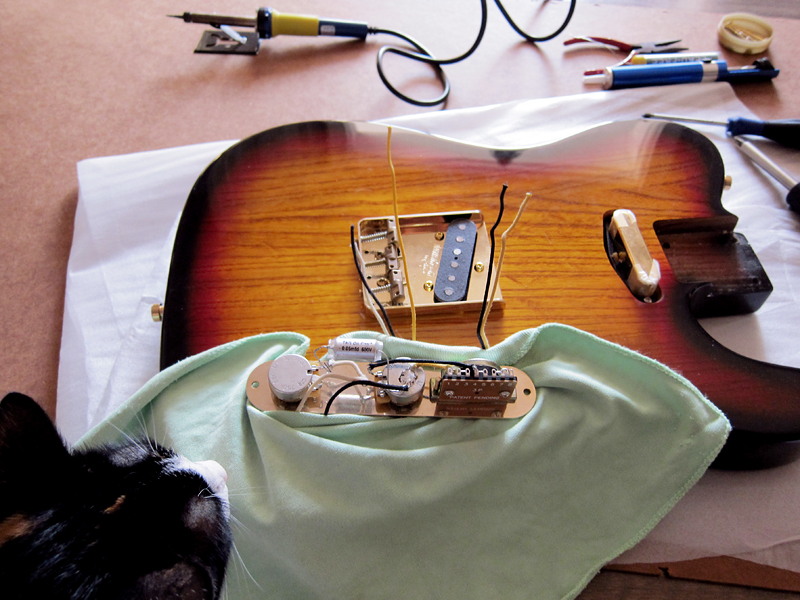
The solder inspector came around to make sure that I was doing my job

Down to what I like best, soldering. I’m glad I bought cloth covered wires, they are really stiff and nice to work with. I fitted a TAD Vintage Oil Cap 0.05uF which I think might go well with the CTS 250k pots. I decided to go for two audio pots in the end, instead of one linear and one audio. I hope that was a good choice. I also bought a backup Orange Drop 0.033Mf just in case I don’t like the oil cap. I did the 50′s vintage wiring, as I did on the old Claescaster since it keeps the treble pretty well when you turn down the volume. I’m not sure if it’s my soldering iron that doesn’t get hot enough but I had some problems soldering the ground wires to the top of the pot. I even sanded it before, maybe the material is different on the CTS pots because I didn’t have any problems with the Alpha pots on the old guitar. The solder inspector, my cat, didn’t approve either so I eventually gave up and decided to try again this weekend when I hopefully have the new neck and machine heads too.

Guitar of the day

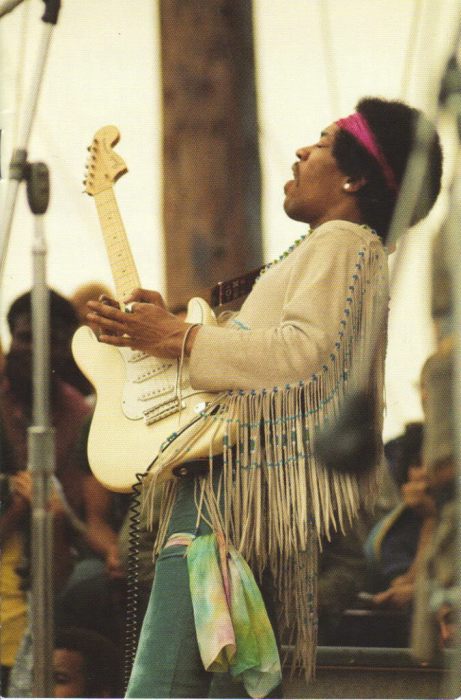
The Fender Stratocaster Jimi Hendrix played at Woodstock in 1969
Jimi Hendrix’ “Woodstock” 1968 Fender Stratocaster. Microsoft’s Paul Allen reportedly paid 1.2 million dollars for this guitar in 1998.

Jimi Hendrix at Woodstock 1969