Claescaster

Conan O’Brien

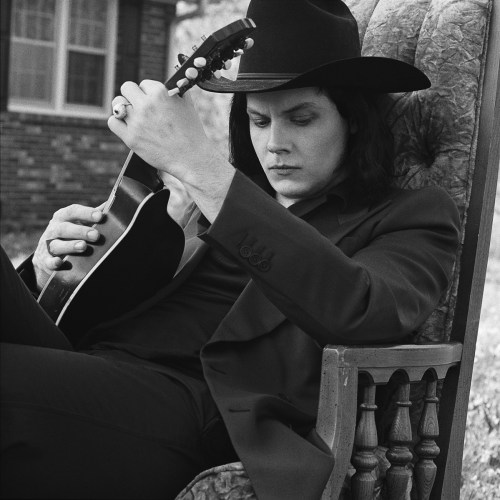
BW174795_A1_012Say what you want about Jack White but he loves old guitars, wearing hats and dressing up and so do I so at least we have that in common

I quite often watch Youtube clips while I eat at work and lately I’ve seen quite a few clips with Conan O’Brien. I’ve always thought he’s been quite good but now I found out that he is doing these 1-1.5 hours shows called Serious Jibber-Jabber with Conan O’Brien where he interviews his friends. It’s just him and a guest in a black room and since it’s made straight for the internet there are no commercial breaks and people are allowed to smoke and drink alcohol. Here is one with Jack White that I thought was pretty interesting.

Rod Stewart

Rod Stewart drinking Hein

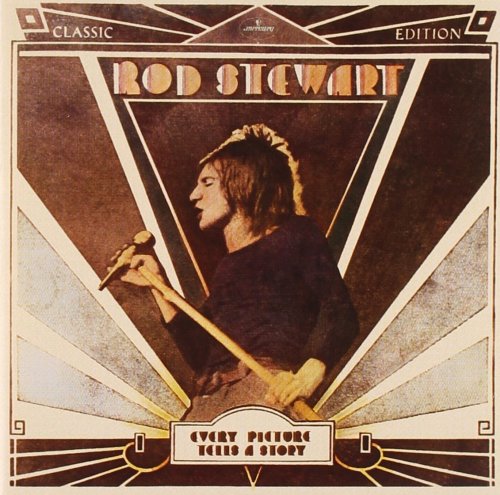
I was raised on Rod Stewart. It’s the only music that was ever played out loud in my house when I grew up. Weekend mornings back in Södertälje and my mum would dazzle my young innocent mind with the raspy voice of Rod Stewart while she was cleaning the house. I guess I kind of always liked it but since she preferred the late Seventies stuff I didn’t fully understand how good he was until I decided to find out for myself. I bought his 1971 album Every Picture Tells a Story when I was about 17-18 years old and was hooked straight away and bought everything I could find, both Rod Stewart solo and with The Faces. Well everything I could find up until his 1974 album Smiler, after that he left The Faces and moved to America and made Atlantic Crossing and the Rod I knew and loved was gone. Out of my old heroes I guess it’s just Rod Stewart, with and without The Faces, and Crosby, Stills & Nash that I still really care about. Here is a longer post about Rod Stewart that I wrote for my other blog.

Rod Stewart - Every picture tells a storyThe record that changed my life, Rod Stewart’s 1971 album Every Picture Tells a Story

One of the reasons why I love Rod

Grab yourself a drink and start the night with this concert

The Faces live at The Marquee Club 1970

Alhambra

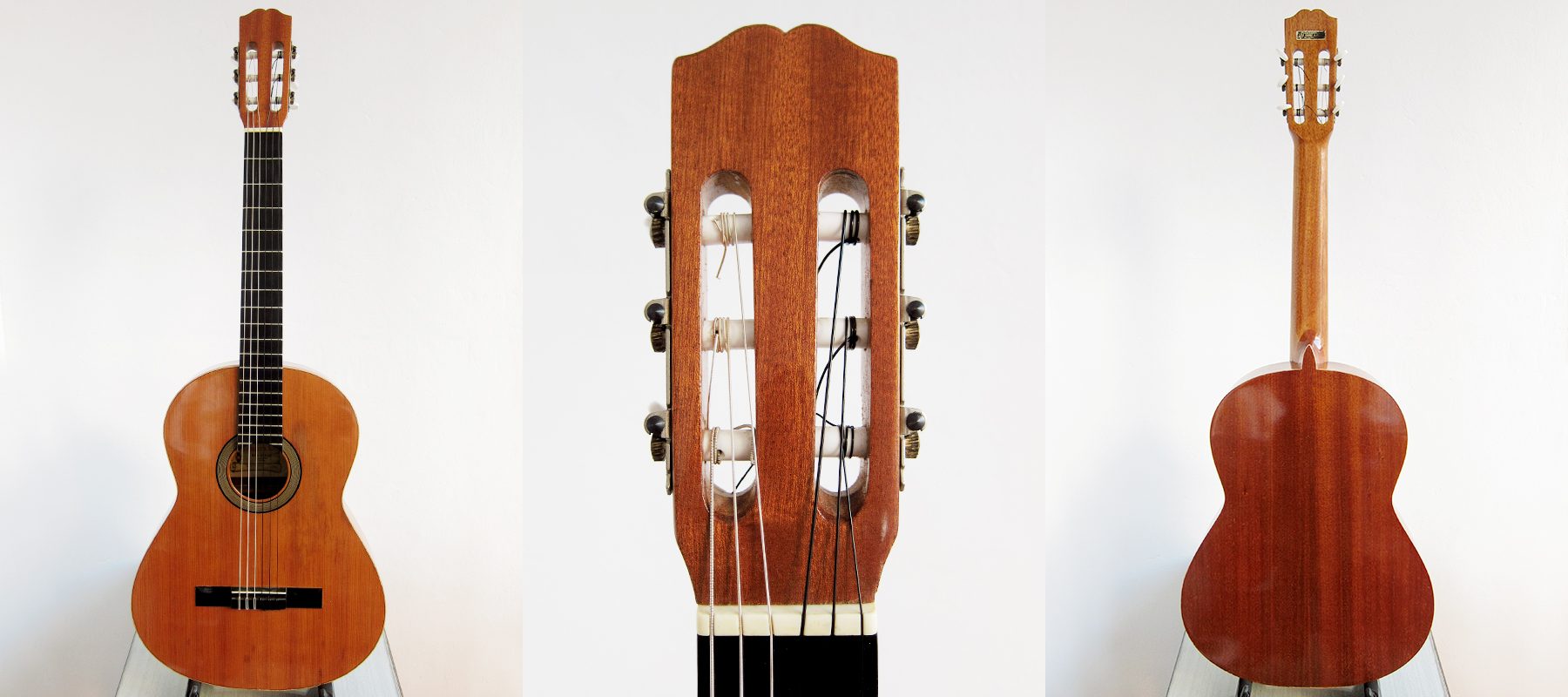
Alhambra 1978
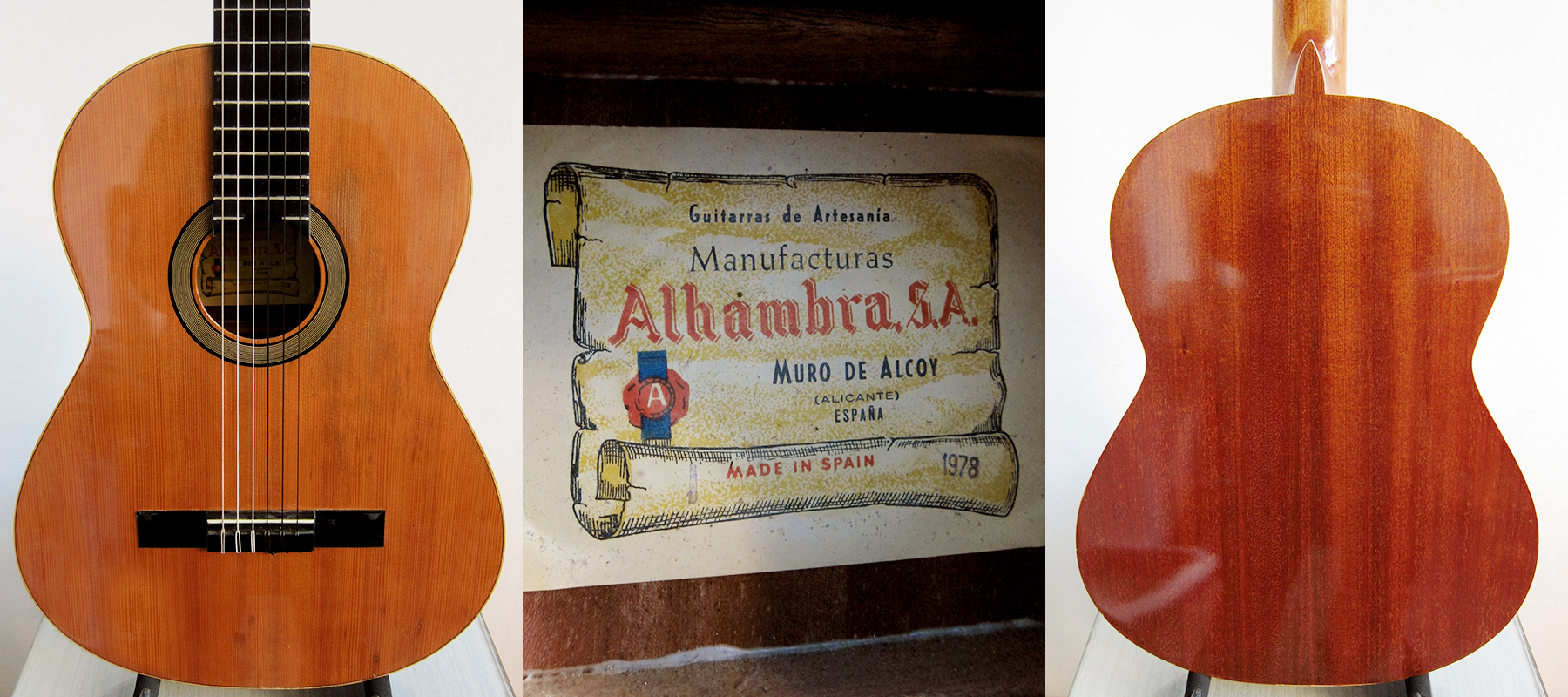
Alhambra, Made in Spain in 1978

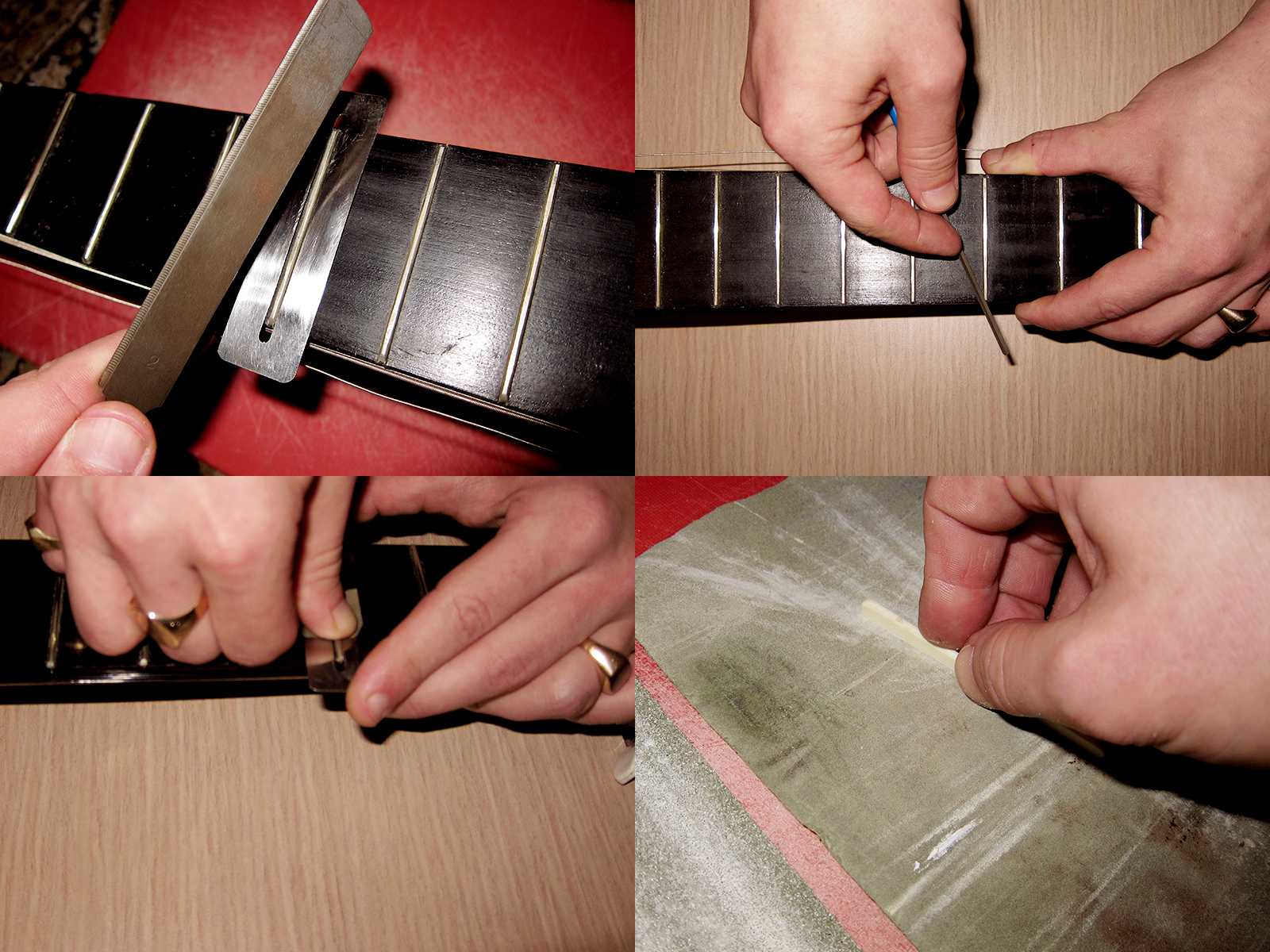
This beautiful old Alhambra arrived to the office yesterday. It’s a present for my father-in-law, Marcos. He picked up a guitar for the first time a couple of years ago when he was in his late Sixties, which proves that it’s never too late. Now he felt that he had outgrown his beginners guitar and wanted something else so Araceli and I bought this one for him. He really wanted an Alhambra, not only for their reputation but also because they are built in Muro de Alcoy, a small village in the mountains north of Alicante, not far from where Marcos grew up in Cartagena. The only problem is that the second hand markets for guitars in Spain is pretty bad and even worse in the South so his only option would have been to spend 700€ on a new one, the prices are quite high down there since there isn’t much competition. So we decided to help him out and found this fairly cheap from Germany on eBay. I wasn’t really sure what to expect, nowadays Alhambra is one of the worlds best and biggest guitar builders known for their great quality, but how were things 30-40 years ago? I had only played one once, a beat up Alhambra from 1976 that I found in a Cash Converter. It had a terrible belly and the bridge was coming off too but they still wanted 120€ for it and refused to lower the price since it was an Alhambra. These Seventies models doesn’t seem to have any model indications so it’s hard to know if a certain guitar was made for the tourists in the 1960-70’s or if it was made to be played properly. The machine heads, fretboard and frets are on the cheaper side but the wood is amazing and they have really great tone. So even if this was made fairly cheap for a tourist to bring back home to Germany they still knew how to build great guitars because the volume and tone is far better than on any modern Spanish guitar that I have played lately. I levelled the frets a bit, crowned them and softened the edges and then polished everything. I also sanded down the saddle since the action was a bit high but now it feels nice and plays really well, maybe not as nice as my Francisca Montserrat but still. Now we just have to wait and see what Marcos feels about his new guitar, hopefully he will like it as much as Araceli and I do.

Alhambra 1978
The frets felt pretty uneven so I levelled, crowned and polished them and then sanded down the saddle a bit

Alhambra 1978

Alhambra 1978
Alhambra built in Muro de Alcoy in 1978

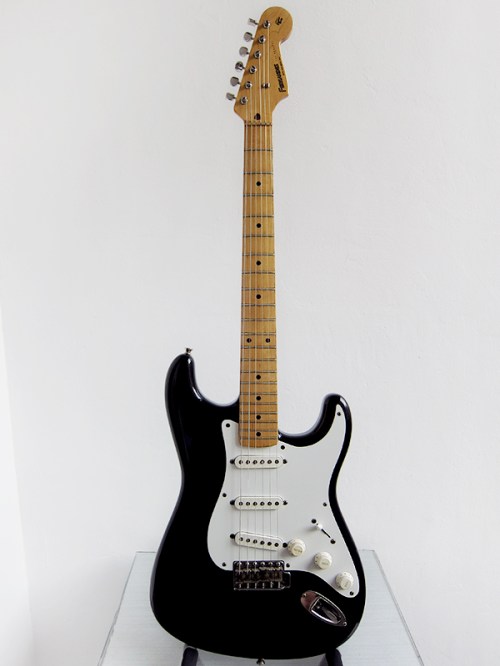
Fernandes RST-50 ’57

Fernandes The Revival RST-50 ’57, Made in Japan, 1988
Fernandes The Revival RST-50 ’57 Stratocaster Made in Japan, 1988
I just realised that the Fernandes that I sold back in July is on the market again. If anyone needs a Strat, a proper “Blackie”, I could highly recommend this one. Here is the ad at Guitarristas

K. Yairi

K.Yairi YW-1000
The most beautiful Martin D-45 copies in the world, a 1976 K. Yairi YW-1000

I’m extremely happy with the two Morris I have and think that Terada is one of the better acoustic guitar builders in Japan. Having said that, I think everyone that is in to Japanese acoustics dream of owning a K. Yairi, at least I do. Unfortunately they are a bit too expensive for me, I’m sure they are worth it but you can get an old Martin, Gibson or Guild for that money. One thing that I really like with Yairi is that they use the year of the Emperor of Japan to determine the production year of their instruments, how awesome is that. See the list below.

http://youtu.be/ky56o9gBDR4
Good materials are hard to find so it’s better to make guitars through limited production by hand instead of mass production. Trees are very important “precious” things so we should make good use of them. Guitars made with “heart” are the best use of trees.  Kazuo Yairi

When was my Yairi made?
By reading the number stamped on the heel block of your Yairi, you can tell in which year it was made. The first two numbers correspond to the year of the Emperor of Japan at that time, see chart below. The second two numbers refer to the month of production. Taken from The Fellowship of Acoustics

A.D.       Emperor                Year
1970      Shōwa                    45
1971                                      46
1972                                      47
1973                                      48
1974                                      49
1975                                      50
1976                                      51
1977                                      52
1978                                      53
1979                                      54
1980                                      55
1981                                      56
1982                                      57
1983                                      58
1984                                      59
1985                                      60
1986                                      61
1987                                      62
1988                                      63
1989       Heisei                    1
1990                                      2
1991                                      3
1992                                      4
1993                                      5
1994                                      6
1995                                      7
1996                                      8
1997                                      9
1998                                      10
1999                                      11
2000                                      12
End of Emperor Date Code
2001                                       01
2002                                       02
2003                                       03
2004                                       04
etc.

Emperor Shōwa and future Emperor Heisei on 10 April 1959

Muscle Shoals

Muscle Shoals (2013)

Last night Araceli and I went and saw the Muscle Shoals documentary at the In-Edit film festival here in Barcelona and we really liked it.

Rig Rundown

I really like Premier Guitar’s series Rig Rundown. Well there is an awful lot of pedals and crap that I don’t really care much for but I like to see the guitars and hear them talk about their equipment, or rather hear their guitar technicians talk about it. Here are just a couple but if you search for Rig Rundown in Youtube you can find a lot more. I have to say that I never cared much for Joe Bonamassa but after hearing what he brings on tour, two real 59′ bursts, and how passionate he is about vintage guitars, I’ve changed my opinion. I truly believe that old guitars were made to be played and I really like that Joe and his crew has been invited to see and often play 75 original 59′ burst so far, apparently only 643 sunburst guitars were made in 1959 and only 53% is accounted for. It’s a weird world we live in where collectors sit on guitars that never see the light of day and real musicians are too scared of taking anything else than re-issues on tour. Hats off to Joe Bonamassa for still playing the real thing and I do understand why people come up to him and lend him famous guitars to play, like when the Kossoff family let him play Paul Kossoff’s 1959 Les Paul.

Bridge Pins

Most guitars come with plain plastic bridge pins and I never really thought that changing them would effect the tone, but it does. To be honest I wasn’t sure how much difference it would make to change the nut or saddle either but there I was proven wrong straight away. I’ve heard so much talk about how superior bone is to plastic and thought it was nonsense, until I actually tried for myself. Now most of my guitars have bone or Tusq nuts, both electrics and acoustics. I changed to Tusq on my Claescaster and was sold straight away, it really felt and sounded different. The only acoustic I’ve had to change nut on was the Suzuki and that guitar sounded way better with a bone nut. It’s weird but acoustics for me, up until the last couple of month, have always sounded good or bad but without any nuances. I guess what I’m trying to say is that just like with a fine red wine you need train your pallet to really understand and appreciate all the flavours and subtle differences. I have been buying more acoustics lately and really listened to them while playing and have come to realise more and more what I like and not like with acoustics. It’s not just down to brand, shape and woods, no guitar sounds the same and there is a lot subtle differences. I think that age is very important factor, I really do believe that wood needs time to open up and that it affects the sound a lot, hence why a lot of modern guitars sounds more or less the same to me. I ordered 12 bone bridge pins and 12 ebony from rockcarvings a Chinese eBay seller that was really cheap, $9.90 for 12 ebony pins. I changed the pins on my Morris W-40 first and made a little sound clip with the plastic, bone and ebony bridge pins to really be able to hear the difference. There is a difference, maybe not as big as changing the saddle to bone, but still. In my opinion the bone pins sounded too clear and sparkly on that guitar, they lacked a bit of bottom which could be more about the quality of these Chinese pins than the material itself. The Morris has a lot of warmth and bottom, which is the reason why I love that guitar so much, so I wanted to keep that rather than give it more treble. The ebony pins were perfect, they just gave such a solid tone, both playing chords and solo. I changed my dad’s Levin LT-16 to ebony as well and put on a new compensated bone saddle, which made wonders to the tone and playability. I will try the bone pins on some other guitars but I have a feeling that I will order more ebony pins in the near future. Here is a list from Maury’s Music with the tonal qualities of different bridge pin materials. I wish I could have found Mammoth or Walrus because that seems awesome but eBay only allowed for Tusq, bone, ebony and horn.

  • Tusq can add a moderate amount of treble, sustain, clarity and volume to your guitar.
  • Bone offers everything Tusq provides, but in bigger doses.
  • Ebony can add bass and warmth to your guitar, along with a signifigant increase in sustain and volume.
  • Buffalo Horn sounds almost identical to bone, and is a great choice if you want a dark looking pin with bone tone.
  • Walrus Jawbone offers the fundamental tone of bone but with better overtones and fatter harmonics.
  • Mammoth Ivory can add sustain, volume, and a transparent richness to your guitar, with an increase in harmonics and overtones.
  • Walrus Ivory provides the greatest increase in volume, sustain and clarity among all the pin choices.

1973 Morris W-40 and 1966 Levin LT-16 with new ebony bridge pins

Movie of the day

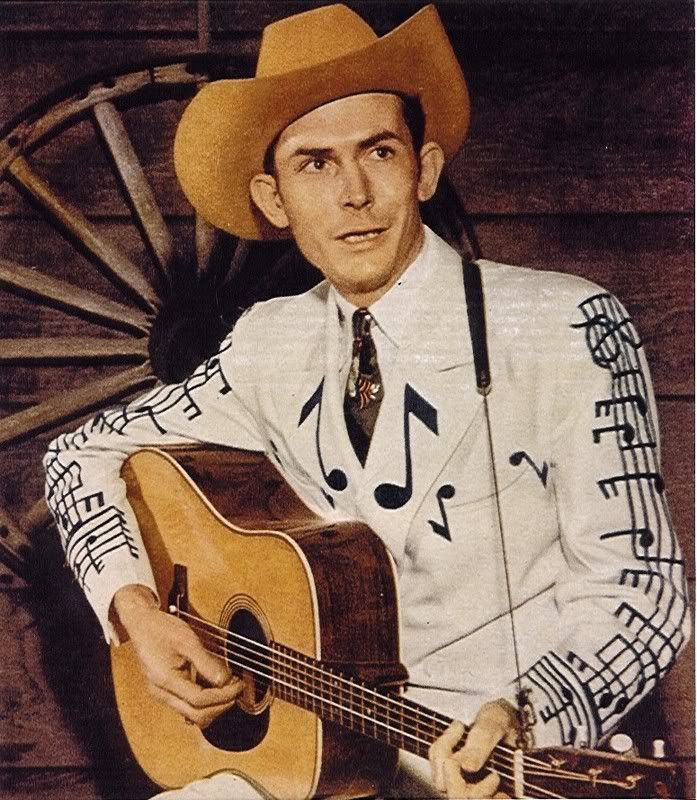
Hank Williams
Hank Williams, one of country musics early super stars

Araceli and I watched this BBC documentary last weekend and it was pretty good. If you are not much of a country fan it could work pretty well as an introduction to, The Joy Of Country.

Fish glue

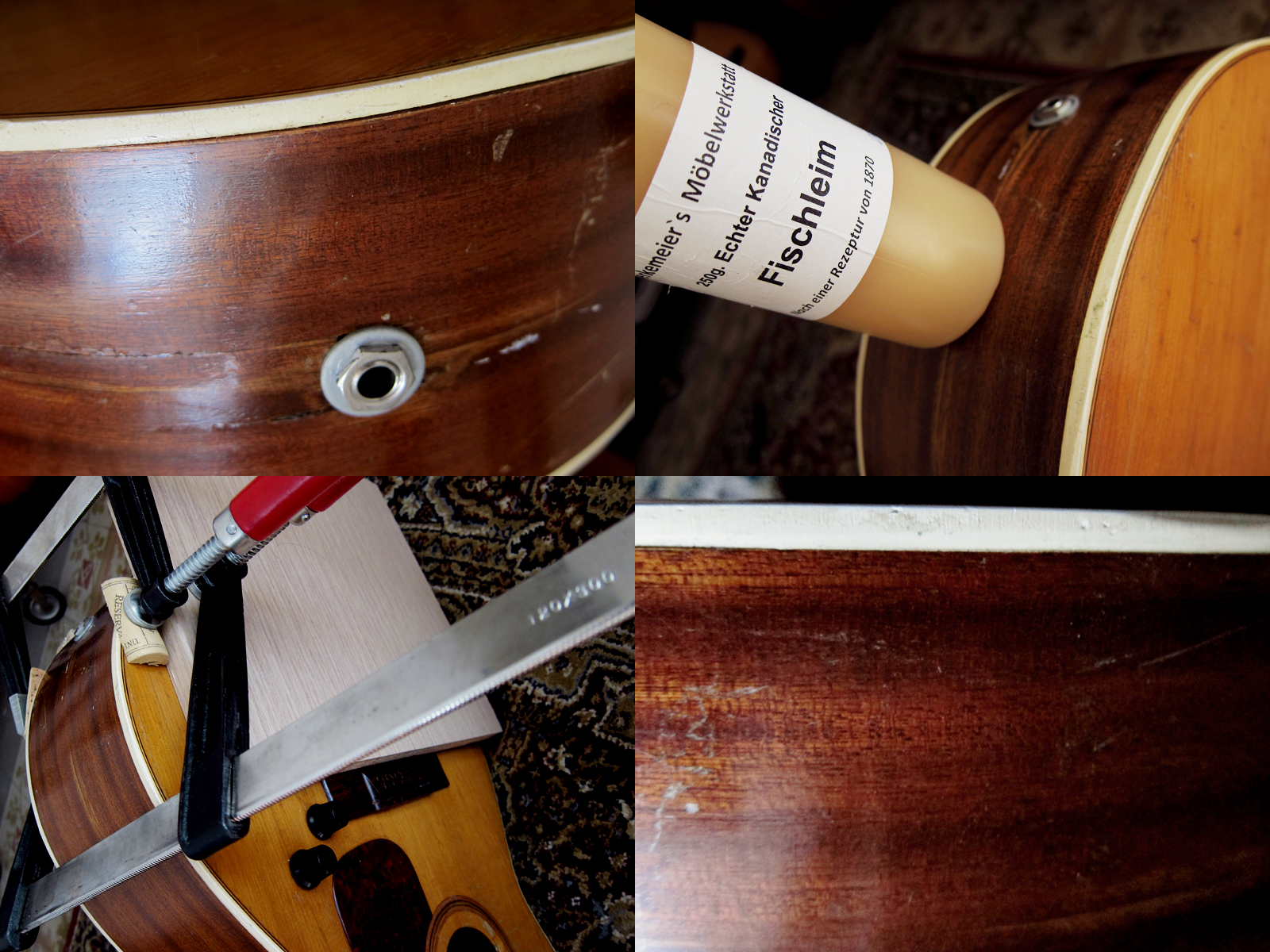
Fish glue
My newly glued Levin LT-16

My dad’s old Levin LT-16 has quite a few crack, well it had, because now most of them are fixed. I tried to figure out what type of glue would be best for repairing wood cracks and all the articles I read said the same thing, warm hide glue. The only problem is that I didn’t feel too intrigued by the idea of having to have melted horse hoves and other animals parts on the stove so I was desperately seeking for an alternative. Then my new found guitar building friend Roger in Sweden told me about fish glue. It has the same awesome properties as warm hide glue but can be used cold. It took some time to locate someone selling fish glue but eventually I found die-moebelwerkstatt, a German eBay seller specialised products for furniture restoration. I got myself some Canadian fish glue made from a recipe from 1870 and it’s amazing. I practised on my Francisca Montserrat and some other old guitars that had cracks in them before I dared to touch my Levin. It has gone pretty well so far, no major difficulties, but I wished that the glue pulled a bit more. I read that the special thing with warm hide glue, and apparently cold fish glue too, is that it is pulling the wood together when it dries, hence why it is so good for cracks and similar repairs. It might be my glue that is a bit old, or just the recipe from 1870 not being the best, but I wished it pulled a bit more. It still works really well, way better than I expected. I feel a lot safer now, not only when it comes to buying old guitars that might have a crack or two, but to dare to use mine because if I happen to crack them I can always repair them with my fancy new fish glue.